
 By concept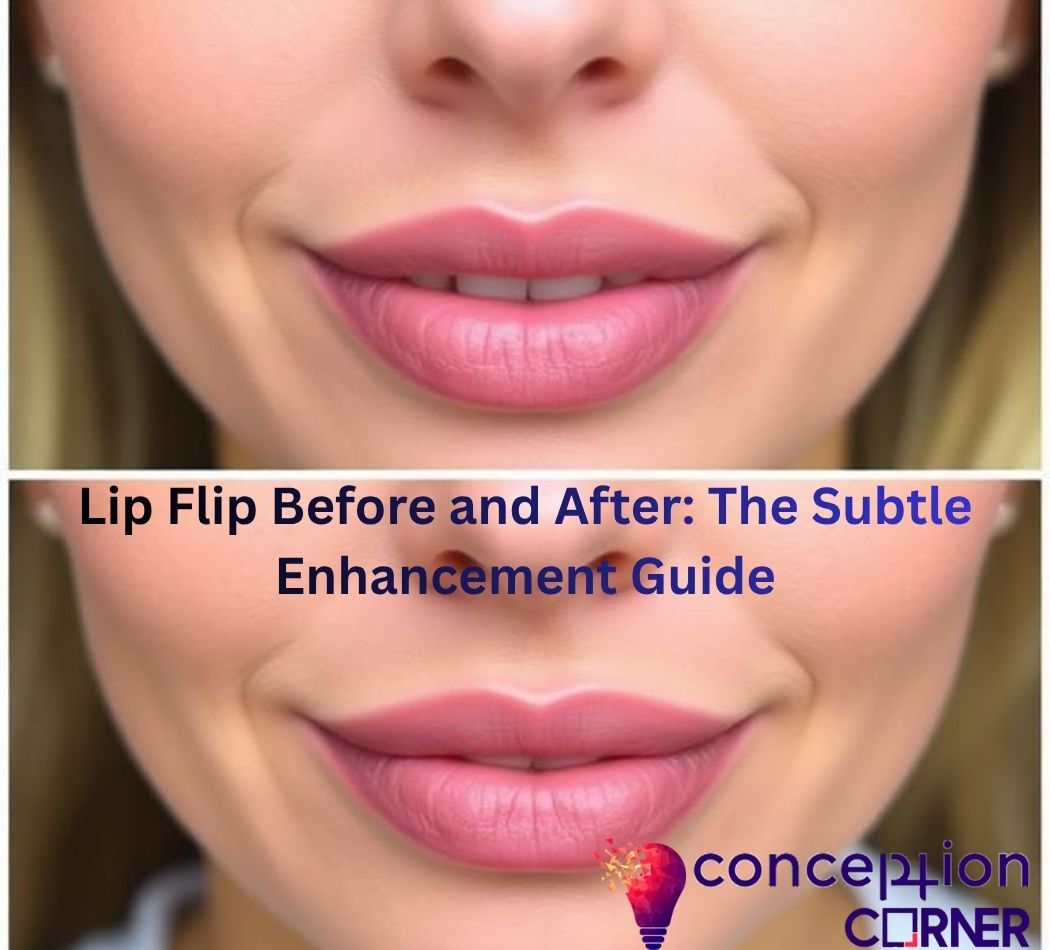
Have you ever smiled at yourself in the mirror and felt your upper lip vanished, leaving you frustrated with the amount of gum you see? Or perhaps you’ve longed for a fuller pout without the commitment and cost of traditional lip fillers. If this sounds familiar, you’re not alone. This is the exact problem that has propelled the “lip flip” to become one of the most talked-about cosmetic treatments on social media.
While lip fillers have been the go-to for volume, a new contender has entered the ring. The lip flip—a quick, non-surgical procedure using botulinum toxin (like Botox®)—promises a subtle but impactful transformation by relaxing the upper lip to gently roll outward. But what does a lip flip before and after really look like? Is it the right choice for you, or are you better off with filler?
This comprehensive guide will explore everything you need to know about the lip flip. We’ll dissect the science, explore a realistic timeline of results, address common concerns, and help you decide if this subtle enhancer is the key to achieving the look you desire.
Understanding the Lip Flip: The “Filler-Free” Fuller Lip
Before we dive into the before and after, it’s crucial to understand what a lip flip actually is and, perhaps more importantly, what it is not. Many people confuse it with lip filler, but the mechanism and results are fundamentally different.
What is a Lip Flip?
A lip flip is a minimally invasive cosmetic procedure that involves injecting small amounts of botulinum toxin (commonly known as Botox, Dysport, or Xeomin) into the orbicularis oris muscle—the circular muscle that surrounds your mouth.
The toxin works by temporarily relaxing this muscle. When the muscle is relaxed, it no longer contracts to pull the upper lip inward and downward. As a result, the lip is free to relax and gently roll, or “flip,” outward and upward. This simple action creates the illusion of a fuller, more defined upper lip by exposing more of the pink, “vermillion” portion.
Key Takeaway: The procedure does not add any volume to the lips. It merely repositions the existing lip tissue to be more visible. This is what makes the lip flip before and after results so subtle and natural-looking.
Lip Flip vs. Lip Filler: Which is Right for You?
This is one of the most common points of confusion and a critical distinction to make when considering your options.
| Feature | Lip Flip (Botox) | Lip Filler (Hyaluronic Acid) |
|---|---|---|
| Mechanism | Relaxes muscles, altering the position of the lip. | Adds volume by injecting a gel-like substance directly into the lip tissue. |
| Primary Goal | Subtle enhancement, “flipping” the lip outward to show more pink tissue and reduce a gummy smile. | Add noticeable volume, reshape the lips, and correct asymmetry. |
| Results | Results are subtle and take 7-14 days to fully appear. | Results are immediate, with some initial swelling that subsides within 1-2 weeks. |
| Longevity | Lasts 2-5 months, typically around 6-8 weeks on average. | Lasts 6-12 months or more, depending on the product and metabolism. |
| Cost | Generally more affordable, as it requires fewer units of product (typically 2-10 units). | More expensive, as it requires a full syringe or more of filler. |
| Best For | Those with a thin upper lip that “disappears” when smiling, those with a gummy smile, or those wanting to “test” a lip enhancement look without commitment. | Those seeking a dramatic increase in lip volume, plumpness, and a more defined shape. |
Many aesthetic practitioners actually recommend a combination of both treatments for the most balanced and harmonious results. A lip flip can provide the subtle lift and definition, while a small amount of filler can add volume where desired.
A Detailed Look at the Lip Flip Before and After Journey
To truly understand the lip flip, you need to know what to expect at every stage—from the moment you walk into the clinic to the final unveiling of your results.
Before the Procedure: Who is the Ideal Candidate?
Not everyone is a perfect candidate for a lip flip. You are likely a good candidate if you:
-
Have a thin upper lip that seems to curl inward or disappear when you smile.
-
Are bothered by a “gummy smile” where your upper lip rises too high to reveal excess gum tissue.
-
Want a subtle, natural-looking enhancement without adding volume.
-
Are looking for a lower-cost, lower-commitment option to test the waters before considering filler.
-
Are in good overall health.
You may not be a good candidate if you:
-
Want a dramatic, “plumped-up” look (this is the domain of lip fillers).
-
Have a profession that relies heavily on fine lip motor skills, such as being a professional musician who plays a wind or brass instrument, a singer, or even a dog-walker who relies on whistling.
-
Are pregnant or breastfeeding.
-
Have certain neuromuscular conditions (like myasthenia gravis).
The Procedure: Quick, Simple, and Minimally Invasive
The lip flip procedure is famously quick. You can often get it done during a lunch break.
-
Assessment: Your provider will assess your lip shape, muscle movement, and smile to determine the precise injection points for a natural-looking result.
-
Numbing: A topical numbing cream is often applied to the upper lip to minimize any discomfort.
-
Injection: Using a fine needle, your provider will inject a few units of Botox (typically 2-6 units) at specific points along the vermillion border (the edge of your lip) or the corners of your mouth. The entire injection process takes just a few minutes.
The Timeline: What to Expect After Your Procedure
This is where the “before” truly transitions to “after.”
-
Day 1-2: You will likely see little to no visible change. You may experience minimal side effects like slight redness or minor swelling at the injection sites.
-
Day 3-7: The botulinum toxin begins to work. You’ll start noticing a subtle “loosening” or relaxation of your upper lip. This is the beginning of the transformation.
-
Day 7-10: The effect becomes more defined. Your lip will start to settle into its new, outward position. This is when you’ll see the best representation of your lip flip before and after.
-
Day 10-14: You have now reached the final results! Your upper lip will have reached its maximum outward roll, exposing more pink lip and softening your smile.
The After: Living with Your New Lip
One of the biggest questions people have, especially regarding a lip flip before and after, is how it affects daily life.
-
Speaking and Smiling: The procedure is designed to not affect everyday speech or expression. You may feel a mild tightness or “heaviness” in the lip at first, but this usually resolves as you adapt.
-
Functional Impacts: Some people experience minor difficulty with actions requiring lip pursing, such as drinking from a straw, whistling, or pronouncing certain words (like the “P” sound). This is a known side effect and is usually temporary.
-
Kissing: A common and entirely valid concern! Most clients report that there is no significant change to kissing once the muscle has settled after the first week. Any mild tightness or unfamiliar sensation fades as the muscle relaxation blends naturally into your usual expressions. The feeling is subtle and temporary.
A Look in the Mirror: What Does the Lip Flip Before and After Look Like?
To fully appreciate the subtle artistry of a lip flip, it helps to see exactly what changes (and what doesn’t) when you compare the before and after.
The “Before” Lip Flip
-
Lip Appearance: The upper lip may appear thin, and the pink portion (vermillion) may not be very visible at rest.
-
When Smiling: The lip may stretch thin and curl under, seeming to “disappear.” This is often accompanied by a prominent display of gum tissue—a classic “gummy smile.”
-
Fine Lines: You may notice fine vertical lines (often called “smoker’s lines” or “barcode lines”) on the upper lip, caused by years of muscle contraction.
-
Expression: Your resting face may appear tense or slightly downturned at the corners of the mouth.
The “After” Lip Flip
-
Lip Appearance: The upper lip appears gently rolled outward, exposing more of the pink lip tissue. The lip border (vermillion border) looks more distinct.
-
When Smiling: The lip remains fuller and more defined, as it is not being pulled tight and inward. This results in a softer, more balanced smile with significantly less gum show.
-
Fine Lines: The botulinum toxin relaxes the upper lip area, often smoothing out those fine vertical lines, creating a softer, more youthful appearance.
-
Expression: Your mouth area may look more relaxed and naturally defined, enhancing your overall facial harmony without looking overdone.
The Verdict: Weighing the Pros and Cons of a Lip Flip
Like any cosmetic procedure, a lip flip has its advantages and disadvantages. Understanding these is key to managing your expectations and making an informed decision.
Pros: Why People Love the Lip Flip
-
Subtle and Natural: The results are famously natural. You look like a more polished, refreshed version of yourself, not like you’ve had “work done.” It enhances your natural shape without adding artificial volume.
-
Minimally Invasive: With no incisions, very little downtime, and minimal discomfort, it’s a perfect entry point into aesthetic treatments.
-
Lower Cost: It’s significantly more affordable than lip fillers because it requires only a small amount of product.
-
Low Commitment: The effects are temporary (2-5 months), making it a great option to “try on” a new look or have control over your appearance for special events.
Cons: The Considerations and Challenges
-
Not for Dramatic Volume: This is the most important caveat. If you’re looking for plump, Kardashian-esque lips, you will be disappointed. It does not add volume.
-
Temporary Results: The flip only lasts for a few months, requiring regular maintenance appointments to sustain the effect.
-
Functional Limitations: There is a potential for minor temporary impacts on your ability to whistle, suck through a straw, or pucker your lips.
-
Potential for Asymmetry: If performed by an inexperienced injector, there is a risk of asymmetrical results or a “droopy” lip if the product migrates to the wrong muscle.
Conclusion: Is a Lip Flip Right for You?
The journey from a lip flip before and after is one of subtlety and natural enhancement. It’s not about transforming your face but about unlocking a version of your smile that is more defined, balanced, and confident. It is an incredibly effective treatment for the “disappearing upper lip” and a gummy smile, offering a low-commitment, low-cost alternative to fillers.
However, it is not a magic wand. It will not give you “plump” lips, and the results are temporary. The only way to know if it’s right for you is to consult with a qualified medical professional who can assess your facial anatomy and help you set realistic expectations.
Key Takeaways
-
A lip flip is a non-surgical, minimally invasive procedure using botulinum toxin (Botox) to relax the upper lip muscle and roll it outward.
-
It creates a subtle enhancement by showing more of the pink lip tissue, not by adding volume like a lip filler.
-
The procedure is best for people with thin upper lips, “gummy” smiles, or those who want a low-commitment, natural-looking enhancement.
-
Full results are not immediate; they take 10-14 days to develop and last approximately 2-5 months.
-
It is not a substitute for lip filler if your primary goal is to add volume.
Frequently Asked Questions (FAQs)
1. Does a lip flip hurt?
Most patients describe the injections as a tiny pinch, especially when a topical numbing cream is applied beforehand. Any discomfort is very brief.
2. How much does a lip flip cost?
Costs can vary depending on your location and provider. However, because it requires only 2-10 units of Botox, it is generally much more affordable than lip filler, with prices often ranging from $50 to $200.
3. Can I combine a lip flip with lip fillers?
Yes, absolutely. Many practitioners recommend combining both for the best of both worlds—subtle definition from the lip flip and volume from the filler.
4. When can I kiss after a lip flip?
You should be fine. While you may feel a subtle change in lip movement for a few days, most people find kissing feels the same as before once the muscle has settled.
5. What happens if I don’t like my lip flip?
Because Botox is temporary, any effects will naturally wear off in a couple of months. Unlike filler, it cannot be dissolved, but you also don’t have to worry about long-term issues.
6. Who should not get a lip flip?
You should avoid a lip flip if you are pregnant or breastfeeding, have a neuromuscular condition, or rely on fine lip control for your profession (like singing or playing a wind instrument).
7. Can I get a lip flip for my lower lip?
While the procedure primarily focuses on the upper lip to create the “flip” effect, some injectors may place a small amount in the lower lip to slightly evert it as well, depending on your overall aesthetic goals.
Sources
-
Women’s Health, “Thinking of getting a lip flip? Here’s everything you need to know,” 2024
-
Ubie, “Lip Flip Before and After? The Science & Medically Approved Next Steps,” 2026
-
Beauty Shot, “What Does a Lip Flip Look Like? | Before-and-After Guide,” 2025
-
Dr. Nora, “The LIP FLIP vs Dermal Filler with Before and Afters”
-
WebMD, “Lip Flip: Procedure, Results, and Risks,” 2025
-
Laser Clinics UK, “Lip Flip vs Lip Filler: Understanding the Differences and Choosing the Right Treatment,” 2025
-
RHMD, “Lip Flip Beverly Hills,” 2026
-
Premier Laser Clinic, “Does a Lip Flip Change Kissing?” 2025
-
Schlessinger MD, “Lip flip vs lip filler: What is the difference?” 2025
-
Swiss Derma Clinic, “Lip Flip with Botulinum Toxin,” 2025
-
Simply Clinics, “What is a Lip Flip?” 2025
-
Well and Good, “WTH is a Lip Flip? Derms Break Down Everything to Know,” 2024
-
Golden State Dermatology, “Who Should Try a Botox Lip Flip?” 2025
-
Drugs.com, “What is a Botox lip flip?” 2025
-
Skin Vitality, “Botox Lip Flip: Lip Enhancement Without Filler,” 2025