
 By concept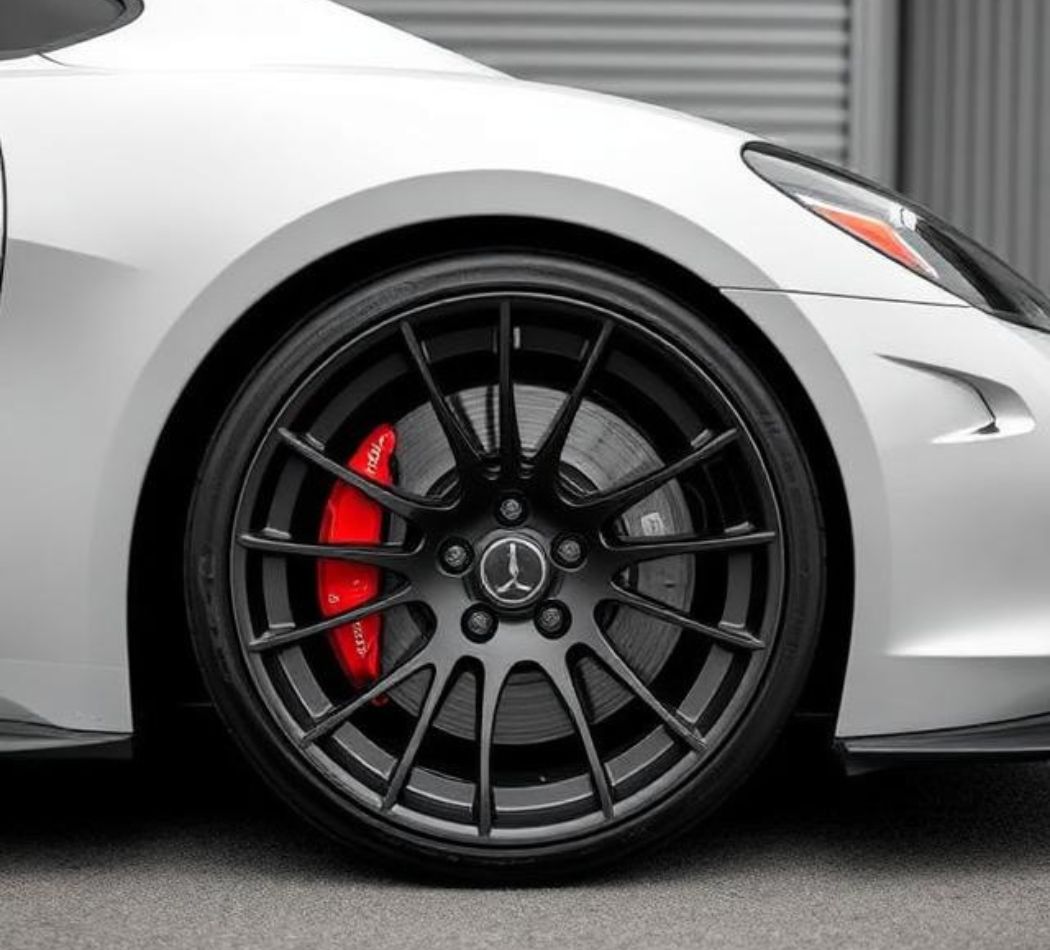
You’re at a car meet, and you spot them. They aren’t just wheels; they are the centerpiece. A set of Rotiforms, with their deep concave faces, intricate spoke patterns, or aggressive stepped lips, instantly signals to everyone in the parking lot: This owner gets it. It’s a statement of individuality, a signal that you don’t just drive a car—you curate an experience. But the burning question that follows that initial visual punch is: “Are they just for show, or can they actually perform?” As we cruise through 2026, this is the perfect time to dissect what makes Rotiform one of the most influential names in the wheel industry.
The Rotiform Phenomenon: More Than Just a Wheel Brand
To understand Rotiform’s place in the automotive world, you need to look back at its origins. Founded in 2009, Rotiform quickly carved out a niche by catering to the “stance” and Euro car scenes. They weren’t just replicating classic designs; they were reimagining them with a modern, aggressive twist that perfectly complemented the bagged and slammed cars that were dominating social media feeds.
However, the brand has evolved. What started as a darling of the show scene has morphed into a comprehensive wheel manufacturer that supplies wheels to Ferrari’s factory racing team. This isn’t just a style play anymore; it’s a high-stakes engineering statement. The journey from car shows to the Ferrari 296 GT3 racecar encapsulates the Rotiform story: a brand that has worked tirelessly to prove that style and substance can not only coexist but thrive together.
The American Connection: Where are Rotiform Wheels Made?
A key aspect of the Rotiform appeal, and a question that echoes through forums, is their manufacturing origin. The answer isn’t a simple “yes” or “no” across their entire lineup, which is a crucial distinction to understand.
The Premium Story: For their top-tier forged and multi-piece wheels, the story is proudly American. These wheels are designed, machined, and assembled entirely under one roof in their California facility. This in-house control allows for rigorous quality testing, including Finite Element Analysis (FEA), ensuring that the 6061-T6 aerospace-grade aluminum forgings are transformed into wheels with an optimal strength-to-weight ratio. This commitment to domestic manufacturing is a point of pride and a major selling point for purists.
The Cast Reality: On the other hand, many of Rotiform’s cast monoblock wheels, which are more accessible to a wider audience, are likely produced overseas. This isn’t uncommon in the industry; it’s how a brand can offer a broader range of designs at competitive price points. The key takeaway is that when you buy Rotiform, you get a consistent design language and engineering philosophy, regardless of the wheel’s origin. If you’re a buyer who wants a guaranteed American-made product, your focus should be on their forged line.
Understanding the Construction: Cast vs. Forged
If you’re serious about choosing a set of Rotiform wheels, you need to understand the difference between their two primary construction methods. It’s not just about price; it’s about performance, durability, and weight.
Cast Aluminum Wheels: The Entry Point to Style
This is where many enthusiasts begin their Rotiform journey. The cast line features iconic designs like the BLQ and RSE, which have become synonymous with the brand’s aesthetic.
-
Process: Molten aluminum is poured into a mold. It’s a cost-effective method that allows for the mass production of complex designs. Innovative casting methods are continuously being refined to yield stronger and lighter components than in previous decades.
-
Performance: These wheels offer a great balance of style and daily drivability. They can improve a car’s handling and appearance, and many are TÜV certified, meeting strict European safety standards. However, they are generally heavier than their forged counterparts, which can slightly impact acceleration and braking.
-
Best For: Daily drivers, enthusiasts building show cars, and those who want the signature Rotiform look without the premium price tag.
Forged Aluminum Wheels: The Pinnacle of Performance
This is where Rotiform’s engineering chops truly shine. Using aerospace-grade 6061-T6 aluminum, these wheels are subjected to immense pressure, up to 60,000 tons.
-
Process: A solid block of aluminum is pressed into shape. This creates a denser, stronger grain structure that is more resistant to fatigue and impact than cast aluminum.
-
Performance: The result is a wheel that is significantly lighter and stronger. With weights dropping to around 23 lbs for models like the RPS, forged Rotiforms reduce unsprung weight. This leads to quicker acceleration, sharper steering response, and improved braking. They are the weapon of choice for track days and serious performance driving. They also offer a staggering level of customization.
-
Best For: Track-day enthusiasts, performance-focused drivers, and those who want the ultimate in strength, weight savings, and customization.
A Word on Load Ratings: It’s critical to match your wheel’s load rating to your vehicle. For instance, a popular performance wheel like the RPS has a load rating around 1,350–1,400 lbs per wheel, which is perfect for sport compacts and sedans . However, if you’re driving a heavy SUV or truck, you’ll need to look at heavier-duty models like the FRA, which is rated to 2,000 lbs per wheel .
The Art of Customization: Finishes and Configurations
This is arguably where Rotiform separates itself from the competition. They don’t just offer wheels; they offer a canvas for automotive expression.
Configuration is King
For their forged and multi-piece wheels, you can choose from up to 13 different configurations. This allows you to control the profile of the wheel, the type of lip, and whether the hardware is exposed or hidden . Want a classic step-lip with hidden hardware? You got it. A deep concave, reverse lip look with exposed bolts? They can do that too. This modularity was once reserved for hyper-expensive boutique brands, but Rotiform has made it surprisingly accessible.
A Palette of Finishes
The color and finish of your wheel can completely transform the car’s personality, and Rotiform offers an arsenal of options. Standard finishes like Gloss Black, Matte Silver, and Bronze are available at no extra cost . But their specialty finishes are where things get exciting.
They can meticulously apply transparent and candy colors over a brushed or polished base to create jaw-dropping effects like Brushed Candy Copper or Brushed Single Dark Tint . The official line from Rotiform is, “If you can dream it, we can make it happen,” and they seem to mean it .
The Verdict: Style, Substance, and the Gray Area
The question remains: is Rotiform a track-proven performance brand or a show-stopping style icon? The answer is definitively both, but it depends on which wheel you choose.
The Case for the Show
Rotiform’s dominance in the style and stance community is undeniable. Their designs are fresh, aggressive, and distinct. They are a visual upgrade that can transform a car’s character instantly. There’s a reason they are a staple at major automotive events. For the daily driver who wants to stand out from the crowd, a set of cast Rotiform wheels is an excellent choice.
The Case for Performance
Rotiform has robust motorsport credentials. They are the official wheel supplier for the Ferrari 296 GT3, a factory race car with incredible performance demands. They’ve also been proven in high-profile drifting events, with drivers like Matt Field securing podium finishes on their wheels. Models like the RPS are engineered with flow-formed technology to be lighter and stronger, providing a tangible performance benefit. The technology and materials are there; you just need to select the right tool for the job.
The Gray Area: Track Day Voids
While they are capable of winning races, some forum discussions and performance experts advise caution when using their standard street wheels on a track. Pushing a cast wheel to its limit on a road course exposes it to extreme temperatures, high G-forces, and the shock of hitting kerbs. This can lead to wheel fatigue and, potentially, failure. As a general rule, track use will void a manufacturer’s warranty for street wheels.
If you plan to track your car regularly, you should:
-
Invest in a Forged Model: The added strength is a non-negotiable safety margin on a race track.
-
Look at Motorsport-Specific Offerings: Rotiform builds specific wheels for its pro teams that are designed for the stresses of circuit racing.
Key Takeaways
-
Two Tiers of Quality: Rotiform offers entry-level, affordable cast wheels and premium, high-performance forged wheels. The cast line is sourced globally, while the forged line is proudly made in the USA.
-
Unmatched Customization: Few brands offer the level of configuration and finish options that Rotiform provides for its forged wheels.
-
Proven Pedigree: This isn’t just a brand for show cars. Rotiform is a technical partner for Ferrari and a proven entity in the competitive drift scene.
-
Choose Your Weapon: If you want unbeatable style for the street, their cast lineup is a winner. If you want that same style with track-capable performance and strength, you need to step up to their forged wheel line and pay the premium.
-
Check Your Fitment: Pay close attention to load ratings and offsets. A wheel that looks amazing but isn’t rated for your car is a safety risk.
Detailed FAQs
1. Are Rotiform wheels good quality?
Yes. Rotiform is recognized as a premium brand that offers both high-quality cast and ultra-premium forged wheels. Their use of 6061-T6 aluminum and rigorous testing like FEA analysis ensures a high-quality product. Many of their wheels also have TÜV certification for safety.
2. Are Rotiform wheels made in the USA?
This depends on the specific model. Their top-tier forged wheels are 100% machined and assembled in their California facility. Many of their more affordable cast wheels are manufactured overseas to keep costs down.
3. Can I use Rotiform wheels for track racing?
Yes, but you need the right type. Their forged race wheels are used in professional motorsport, including as the official supplier for Ferrari’s 296 GT3 racecar. However, their standard cast wheels are not designed for the extreme stresses of road racing and would void their warranty if used on the track.
4. How much do Rotiform wheels cost?
Prices vary widely. Cast wheels can start around the $200-$300 per wheel mark, while a high-end forged set can range from $500 to over $1,000 per wheel. A full set of performance forged wheels, like the RPS, starts at around $1,700.
5. What are the most popular Rotiform wheel styles?
Iconic and popular styles include the BLQ, the RSE, the KPS, and the newer performance-focused RPS. Their “FRA” is also popular for larger vehicles due to its high load rating and large diameter options.
6. What is the difference between Rotiform’s cast and forged wheels?
Cast wheels are made by pouring molten aluminum into a mold, which is more cost-effective and results in a heavier wheel. Forged wheels are pressed from a solid block of aluminum under immense pressure, resulting in a much stronger, denser, and lighter wheel that is superior for performance driving.
7. What is load rating, and why does it matter?
The load rating is the maximum weight a single wheel is designed to support. It’s crucial to choose a wheel with a high enough load rating for your vehicle. For example, a performance sedan can use the RPS (1,350-1,400 lbs), but an SUV requires a wheel like the FRA (2,000 lbs).
8. How can I customize my Rotiform wheels?
Customization options are extensive, especially for forged wheels. You can choose from 13 different configurations (affecting profile, lip type, and hardware), as well as a wide range of standard and specialty finishes, including brushed and candy colors.
Sources and References
-
Rotiform Official Website – BLQ-C Product Page
-
Rotiform Official Website – Finishes Page
-
Summit Racing – Rotiform RC201 LSE Wheels
-
AliExpress Wiki – Rotiform Logo Stickers (User Review Insights)
-
Sgcarmart.com – Rotiform BLQ Cast Reviews
-
Rotiform Official Website – Monoblock KPS Product Page
-
Summit Racing – Rotiform R191 STL Wheels
-
Martini Works – Rotiform RPS Review
-
Rotiform Official Website – FRA Product Page
-
UroTuning – Top Features of Rotiform Wheels
-
Summit Racing – Rotiform R139 KPS Wheels
-
Performance Plus Tire – Is Rotiform a Good Wheel Brand?
-
Rotiform Official Website – Motorsports Page
-
Rotiform Official Website – RSE Product Page