
 By concept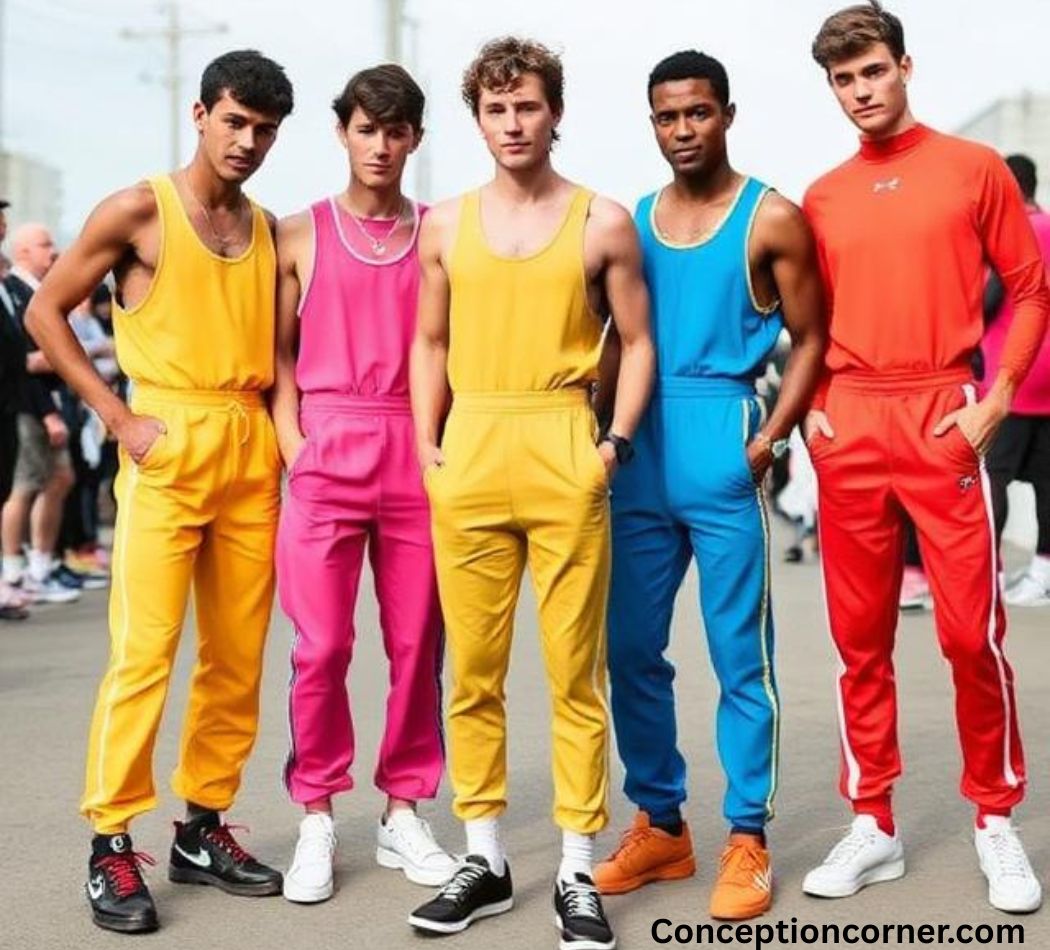
Do you remember the first time you saw someone in a unitard and thought, “That’s a bold choice”? Maybe it was a dancer effortlessly gliding across a stage or a fitness influencer crushing a workout in a seamless second-skin outfit. The unitard has quietly transformed from niche sportswear into a wardrobe staple, and it’s time we gave this versatile garment its due.
The modern unitard—a snug, one-piece garment that combines a leotard with leggings—has an appeal that’s impossible to ignore. Think of it as the Swiss Army knife of fashion and performance wear. Whether you’re hitting the gym, heading to brunch, or channeling your inner superhero, the unitard delivers style, comfort, and functionality in one sleek package. But what exactly is a unitard, why has it become so popular, and how do you choose the right one for your lifestyle? Let’s dive into the fascinating world of this all-in-one garment.
What is a Unitard?
Before we go further, let’s define the star of our story. A unitard is a skin-tight, one-piece garment with long legs. It typically covers the torso and legs completely and often includes long sleeves, though sleeveless and short-sleeved versions are also common. Imagine a leotard that extends to cover your legs—like a combination of a leotard and leggings—and you have a unitard. This practical and flattering design has made it a favorite among athletes, dancers, and fashion enthusiasts.
Unitard vs. Leotard vs. Bodysuit
The garment world can be confusing, so let’s clear up the differences between these three popular items. It’s important to distinguish them because they each serve different purposes and suit different occasions :
-
Leotard: This is a one-piece garment that covers the torso but leaves the legs exposed. It’s typically cut high on the thigh and may have short or long sleeves.
-
Unitard: A one-piece garment that includes long legs. It may or may not have sleeves, but the key distinction is leg coverage. It provides full-body coverage without restricting flexibility.
-
Bodysuit: Similar to a leotard but designed more for fashion than performance. It typically snaps at the crotch and is meant to be worn as underwear or tucked into pants or skirts.
Most people can’t tell the difference between a unitard and a leotard, but you’ll be confidently informed!
The Surprising History of the Unitard
The unitard’s journey to becoming a fashion staple is as fascinating as the garment itself. The story begins in the early 20th century, with a revolutionary swimwear design that changed the way people thought about one-piece garments. The term itself comes from combining “unit” and “leotard” (or “tights”), and it first emerged in the 1960s as the garment grew in popularity.
From Scandal to Swimsuit Sensation
The unitard’s roots trace back to the 1920s, when the Jantzen brand developed a one-piece “tubular shaped tank suit” called the unitard. This revolutionary swimsuit was famously marketed as the “swimsuit that changed bathing into swimming.” Before this, swimwear was often heavy, cumbersome, and restrictive.
The shift toward form-fitting one-piece swimwear actually started much earlier with a scandal. In 1907, Australian swimmer Annette Kellerman shocked the public by wearing a man’s figure-hugging one-piece swimsuit on a Boston beach. This daring move challenged the modest swimwear norms of the era. By 1920, fashion houses had adapted her concept to create the machine-knitted version. This swimsuit represented a cultural shift where women could finally move freely in the water, marking one of the earliest examples of the modern unitard.
Athletic Evolution
The principles of freedom and flexibility that made the unitard swimsuit a success soon crossed over into gymnastics and dance. As the popularity of these activities grew, so did the need for clothing that allowed complete freedom of movement while still providing coverage. This need perfectly aligned with the developing capabilities of stretchy synthetic fabrics.
The evolution of the unitard also includes a technological element: advances in textile production. The invention of Lycra (spandex) in 1958 was a game-changer. It allowed for the creation of garments that could cling to the body without restricting movement, making the unitard an even more appealing choice for athletes and performers.
Unitards in Sports and Performance
Even today, the unitard is a star in the performance world. It’s the uniform of choice for those who push their bodies to the limit. Here’s why athletes and performers rely on unitards:
A Gymnast’s Best Friend
Gymnasts, acrobats, and dancers frequently choose unitards for practice and performance. The garment offers several critical advantages:
-
Unrestricted Movement: The stretchy fabric (typically a Lycra/spandex or nylon blend) allows for full range of motion—essential for flips, splits, and leaps.
-
Muscle Support: The compression provided by a well-fitted unitard can help support muscles and improve blood flow during intense activity.
-
Safety: A unitard won’t get tangled in equipment or cause injury during complex routines.
-
Aesthetic Lines: It creates a sleek, unbroken line that performers and coaches appreciate for spotting technical flaws.
Colorful unitards even became the trademark of fitness coach Mr. Motivator, who used them to bring energy and fun to his 90s workout programs. Today, they’re still common in studios worldwide.
The Sports That Love Unitards
Beyond gymnastics and dance, unitards are popular in several sports:
Wrestling: The wrestling singlet is essentially a unitard with shorter legs, designed to give wrestlers full range of motion without giving their opponents anything to grab.
Figure Skating: While dresses have been more traditional in women’s figure skating competition, unitards have made occasional appearances (and caused controversy) over the years. At one point, they were “illegal in competition and discouraged in practice”. While modern rules now allow them, they remain a rare sight where judges may have more conservative preferences.
Equestrian Vaulting: This sport, which combines gymnastics and dance on horseback, often uses unitards to provide maximum flexibility and a sleek, professional appearance.
Tennis: The late Anne White famously wore a white unitard at Wimbledon in 1985. More recently, tennis superstar Serena Williams wore one during a 2018 French Open practice. Her choice was so notable that tournament officials later banned the garment.
A Brief Note on Men in Unitards
While unitards are often associated with women’s clothing, the garment itself is gender-neutral. The history of the leotard is closely tied to men, named after the trapeze artist Jules Léotard in the 19th century, and men continue to wear unitards in gymnastics, dance, and other sports today. Even in popular culture, think of superhero costumes or rock bands like Queen, who were known for wearing unitards during their 1970s concerts.
Unitards in Pop Culture
You’ve definitely seen unitards in movies, TV, and music. They’re often the costume of choice for:
-
Superheroes: Characters from Spider-Man to Superman wear what are essentially unitards with capes and logos.
-
Sci-Fi Characters: Female characters in Star Trek have been known to wear unitard-style uniforms, sometimes for practical reasons and sometimes for style.
-
Musicians: Beyond Queen, many performers have embraced the unitard for its bold, body-conscious statement.
Modern Fashion: How to Style a Unitard
Now we get to the really fun part—how to make this athletic staple work for your everyday wardrobe.
In recent years, unitards have transitioned from the gym to the streets, capturing the attention of fashion enthusiasts worldwide. They’re the ultimate blank canvas for creative expression.
Choosing the Right Fabric and Cut
The first step to a stylish unitard look is selecting the right one for you. The material and cut will determine not only how you feel but also the overall vibe of your outfit.
-
Cotton or Cotton Blends: Great for a casual, comfortable feel. Often more durable and breathable, though less compressive. Ideal for relaxed outings.
-
Lycra/Spandex/Nylon: The gym go-to. These fabrics offer excellent stretch, muscle support, and moisture-wicking properties. Perfect for workouts or sleek, evening looks.
-
Velvet or Thicker Materials: These add instant sophistication and warmth. Ideal for fall and winter, a velvet unitard can be a chic alternative to a dress for a cocktail party.
Find Your Perfect Cut:
-
High-Neck or Long-Sleeve: Adds sophistication and coverage.
-
Spaghetti Strap or Sleeveless: Gives a more relaxed, summery vibe.
-
Full-Length vs. Cropped: Full-length creates a streamlined silhouette, while cropped styles can be paired beautifully with ankle boots or heels.
From Studio to Street
Here’s where you can have some fun. The unitard’s versatility is unmatched. It can be a base layer, a statement piece, or a simple jumpsuit.
Sporty Vibe:
-
Outfit: Pair your unitard with trendy athletic sneakers and a fanny pack or sporty backpack.
-
Layer: Add a baseball cap or a beanie for that effortless, off-duty feel.
-
Pro Tip: Look for unitards with sporty details like mesh panels or color-blocking.
FChic Brunch:
-
Outfit: Pair a simple, black unitard with a tailored blazer or oversized denim jacket.
-
Footwear: Swap the sneakers for ankle boots, loafers, or block heels.
-
Accessorize: Add a structured handbag or a delicate necklace to elevate the look.
For a Night Out:
-
Outfit: Choose a unitard in a luxurious fabric like velvet or a daring color/print.
-
Footwear: This is key. Statement heels, strappy sandals, or knee-high boots can instantly transform your unitard into evening wear.
-
Accessorize: Go bold with your makeup, statement earrings, or a clutch.
Color, Pattern, and Personal Expression
Don’t shy away from color! Unitards are available in an incredible range of hues and patterns.
-
Bold Hues: Yellow, red, and blue are having a moment in athleisure and street fashion.
-
Muted Elegance: Nude and beige tones offer a sophisticated, minimalist look.
-
Prints: Leopard spots, florals, and abstract designs can make a plain unitard the focal point of your outfit.
Pro Styling Tips
Here are a few tricks to elevate your unitard game:
-
Layer a turtleneck underneath: For chillier days, a fitted turtleneck under a sleeveless unitard adds warmth and a fashionable twist.
-
Belt it: Cinch your waist with a stylish belt to add definition and structure to the silhouette.
-
Use Accessories Wisely: Statement necklaces, layered chains, and wide-brim hats can draw attention upward and complete the outfit.
Common Mistakes and Challenges When Wearing a Unitard
The unitard is a bold garment, and it comes with its own set of challenges. Here’s what to watch out for and how to solve these problems:
-
Challenge: Finding the Right Size.
-
Solution: Unitards should fit snugly but comfortably—like a second skin. Don’t just go by your usual size. Check the brand’s specific size chart, measure yourself, and consider your height and body measurements. If you’re between sizes, sizing up is usually a better choice for comfort, especially if you prefer less compression.
-
-
Challenge: The Bathroom Dilemma.
-
Solution: This is the most common complaint about unitards and jumpsuits in general. Look for unitards with a snap or button closure at the crotch. Many fashion unitards include this feature. For athletic unitards, this is less common, so you may need to plan your outfit accordingly.
-
-
Challenge: Styling for Your Body Type.
-
Solution: The second-skin nature of a unitard can make people feel self-conscious. The key is to find a cut that makes you feel confident. A high neckline and long sleeves provide more coverage. V-necks and deeper cuts can elongate the torso. Remember the most important rule: comfort and confidence are your best accessories.
-
-
Challenge: Care and Maintenance.
-
Solution: To preserve the elasticity and color of your unitard, proper care is essential.
-
Turn it inside out before washing to protect the fabric.
-
Use a gentle cycle with cold water.
-
Don’t use fabric softener.
-
Air dry your unitard. Avoid direct heat, which can degrade the elastic fibers.
-
-
-
Challenge: The “I Look Like a Superhero” Problem.
-
Solution: Embrace it or style it away! If you don’t want to look like you’re about to save the world, avoid wearing it with capes or masks (unless that’s your thing). Break up the silhouette with layering, as discussed in our styling section. A blazer, jacket, or open shirt creates visual breaks that make the outfit more fashion-forward.
-
Pros and Cons: A Balanced Analysis
Let’s weigh the good and the not-so-good of the unitard.
Pros
-
Versatility: Works for the gym, a night out, or a casual day.
-
Comfort: Stretchy, form-fitting materials move with your body.
-
Streamlined Silhouette: Creates a smooth, uninterrupted line that can be very flattering.
-
No Wardrobe Malfunctions: Unlike a top and bottom, a unitard stays in place.
-
Support: The compression can offer muscle support during workouts.
Cons
-
Bathroom Breaks: Can be inconvenient, though some have snap closures.
-
Fit Challenges: Getting the perfect fit can be tricky.
-
Fashion Risk: It’s a bold piece that not everyone feels comfortable wearing.
-
Layering Needs: Often requires layering or accessories to avoid a “naked” look.
The Future of the Unitard
As we look towards the future of fashion and performance wear, the unitard shows no signs of slowing down. The rise of athleisure has blurred the lines between sportswear and everyday clothing, making the unitard more relevant than ever.
We can expect to see:
-
Even More Technical Fabrics: Unitards made from sustainable materials and with enhanced moisture-wicking, UV protection, and temperature regulation.
-
Increased Popularity: As body positivity movements grow, more people will embrace the freedom and confidence of the unitard. It’s a common myth that unitards are only for a “great body” . The truth is, anyone can wear them.
-
A Larger Presence in Fashion: As seen with the “unitard dress,” designers are continuously reinventing the garment for high fashion.
-
More Sport-Specific Unitards: From running to winter sports, the benefits of the garment are being recognized in various athletic fields.
Key Takeaways
-
A unitard is a one-piece garment that combines a leotard with full leg coverage, offering versatility for sports and fashion.
-
Its history begins with the revolutionary 1920s swimsuit design that changed the way women participated in water sports.
-
Athletes and performers love unitards for their unrestricted movement, muscle support, and sleek aesthetic.
-
To style a unitard for everyday wear, layer it with jackets, accessorize with bold jewelry, and choose the right footwear—sneakers for a sporty vibe, heels for a night out.
-
Avoid common mistakes by selecting the right fit, caring for the fabric properly, and embracing the garment’s unique look.
-
The unitard is not just for a specific body type; it’s about comfort and confidence.
Detailed FAQs
1. What exactly is a unitard?
A unitard is a skin-tight, one-piece garment that covers the torso and legs. It may or may not include sleeves. It differs from a leotard, which does not have legs, and a bodysuit, which is designed more for fashion and often has a snap closure.
2. Is a unitard the same as a leotard?
No. A leotard typically does not have leg coverage, whereas a unitard covers the legs completely. Think of a unitard as a leotard with leggings attached.
3. Can anyone wear a unitard?
Absolutely. The unitard is for everyone. There is a common myth that it’s only for a specific body type, but the truth is, it’s all about comfort and confidence. Choose the cut and fit that makes you feel your best.
4. Is a unitard good for working out?
Yes! Unitards are great for workouts. The form-fitting design provides muscle support, and the stretchy, often moisture-wicking fabrics keep you comfortable. They are ideal for yoga, Pilates, dance, and gym sessions.
5. How should a unitard fit?
A unitard should fit snugly but comfortably, like a second skin. It shouldn’t be so tight that it restricts movement or breathing, nor so loose that it bunches up. Use the brand’s size chart to find your ideal fit.
6. What’s the best way to style a unitard?
You can style a unitard in many ways! For a sporty look, pair it with sneakers and a cap, for a chic brunch, add a blazer and ankle boots. For a night out, go with statement heels and bold accessories.
7. Who invented the unitard?
The concept of the unitard was developed in America by the Jantzen brand in the 1920s as a one-piece swimsuit design. However, the term itself didn’t emerge until the 1960s.
8. How do you wash a unitard without ruining it?
To care for your unitard, turn it inside out before washing, use a gentle cycle with cold water, and avoid fabric softeners. Always air dry it, as direct heat can damage the elastic fibers.
Sources
-
The Free Dictionary. “Unitard.” https://w1.thefreedictionary.com/unitard
-
Australian National Maritime Museum. “Women’s one-piece knitted wool swimsuit.” https://collections.sea.museum/en/objects/47952/
-
PrettyLittleThing. “Espresso Ultimate Sculpt Short Sleeved Unitard.” https://www.prettylittlething.ca/product/ultimate-sculpt-short-sleeved-unitard_plt13340
-
eBay. “Men’s & Women’s Dance Leotards & Unitards.” https://www.ebay.com.au/b/Mens-Womens-Dance-Leotards-Unitards/152365/bn_818695
-
The Chic Tribe. “How To Style A Unitard Jumpsuit.” https://thechictribe.com/how-to-style-a-unitard-jumpsuit/
-
Wikipedia. “Unitard.” https://en.wikipedia.org/wiki/Unitard
-
DICK’S Sporting Goods. “Breathable Unitards.” https://www.dickssportinggoods.com/a/breathable-unitard-0ayz00a.html
-
Swades Sports. “The All in One Outfit for Fitness and Fashion.” https://swadessports.com/blog/the-all-in-one-outfit-for-fitness-and-fashion-at-swades-sports/