
 By concept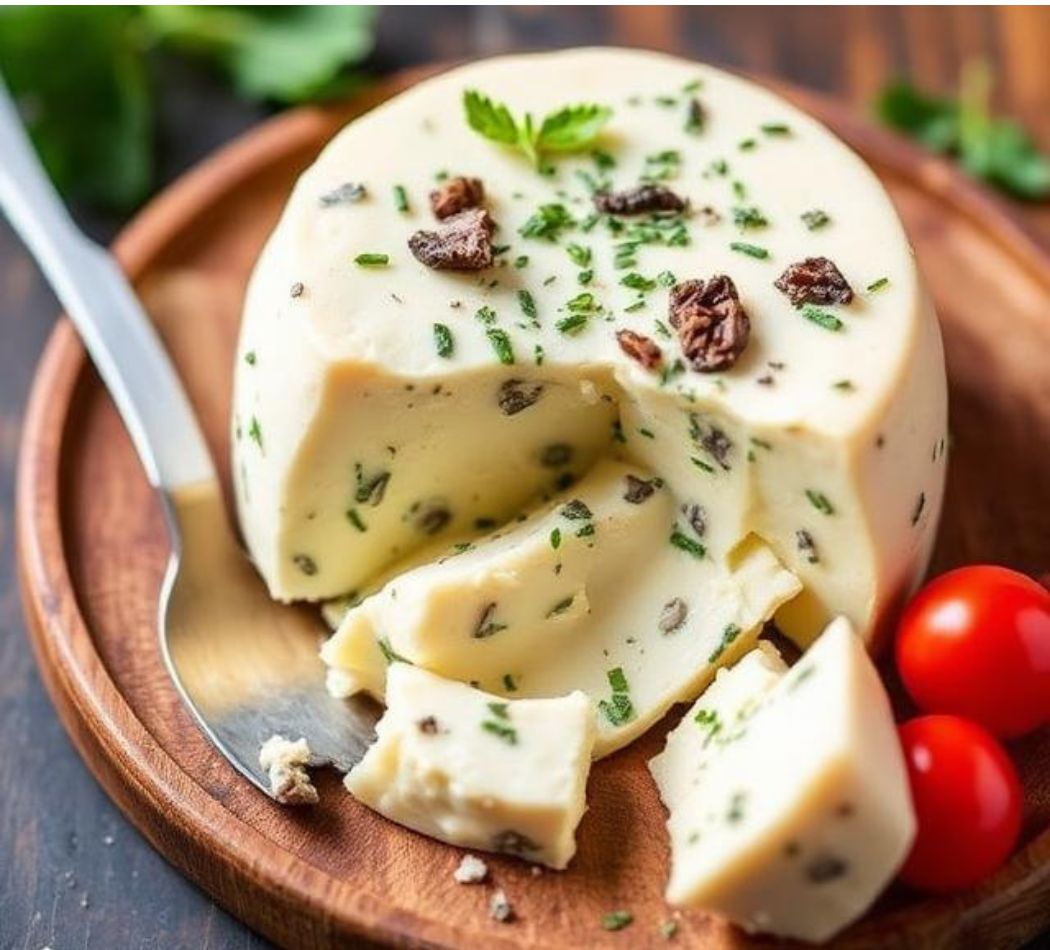
Have you ever stumbled upon a word online that feels both familiar and alien, sparking an immediate, burning curiosity? In the vast and ever-evolving landscape of the internet, new terms emerge constantly, but few capture the imagination quite like Masgonzola. Is it a type of cheese? A philosophical concept? An online inside joke? The answer, as we’ll discover, is a fascinating “all of the above.”
Like a chameleon, Masgonzola changes its meaning based on context, yet it consistently points to something rich, complex, and worthy of exploration. This deep dive will unravel the twin identities of Masgonzola: one rooted in creamy culinary innovation, and the other in a more abstract, cultural feeling that has captivated niche online communities. Whether you’re a foodie looking for your next gourmet obsession or a digital explorer seeking to understand a new cultural touchstone, this guide will provide a comprehensive understanding of the phenomenon.
The Two Worlds of Masgonzola
The first thing to understand is that “Masgonzola” doesn’t have a single, universally accepted dictionary definition. Instead, it operates in two distinct spheres. The most tangible and delicious is its identity as a cheese. The second, more elusive, is its life as a modern neologism and cultural concept.
What Is Masgonzola? The Culinary Definition
At its most concrete level, Masgonzola is an innovative fusion cheese. It takes the best of two Italian heavyweights—mascarpone and gorgonzola—and blends them into something entirely new. Think of it as the culinary equivalent of a perfect duet, where two distinct voices harmonize to create a richer, more nuanced sound.
-
The Ingredients: It combines the rich, creamy, and slightly sweet profile of mascarpone with the bold, tangy, and unmistakable bite of Gorgonzola, one of Italy’s most famous blue cheeses.
-
The Result: This fusion creates a cheese that is both spreadable and complex. It’s more approachable than traditional Gorgonzola, which some find too pungent, yet far more exciting than plain mascarpone. It’s a “middle ground” cheese—offering depth and character without overwhelming other ingredients.
This fusion isn’t just a modern fad; it reflects a long-standing culinary tradition, as Gorgonzola itself is often served with mascarpone in its native Italy to soften its intensity. Masgonzola is a natural evolution of this classic pairing, now packaged as a unique product of its own.
What Is Masgonzola? The Cultural Concept
Beyond the cheese board, Masgonzola exists as a fascinating and fluid term with a more abstract definition. In certain online communities, it’s used to describe a specific and complex feeling. It is defined as a concept, feeling, or object that is simultaneously ordinary and extraordinary.
For example, the quiet satisfaction you feel when a perfectly organized spreadsheet reveals a hidden pattern, or the unexpected beauty you find in an overgrown, abandoned industrial lot—these moments could be described as evoking a sense of Masgonzola. It’s about experiencing something profound in the mundane, recognizing a hidden layer of meaning in everyday life.
Origin of the Term Masgonzola
The origins of Masgonzola are as layered as its meanings, blending culinary history with digital-age curiosity.
The Culinary Roots
While the modern “fusion” cheese is a relatively recent innovation, its components have ancient histories. Gorgonzola, its bolder half, is a celebrated Italian blue cheese with a history stretching back centuries. Its name comes from the town of Gorgonzola, near Milan, where it has been produced for generations. It earned a Protected Designation of Origin (PDO) status from the European Union in 1996, which means authentic Gorgonzola must be produced in specific regions of Italy following strict guidelines. Its signature greenish-blue veining comes from the mold Penicillium introduced during the cheesemaking process.
The creation of Masgonzola as a specific fusion product was a deliberate culinary experiment. Chefs sought to soften Gorgonzola’s powerful bite while preserving its signature flavor. By blending it with the gentle sweetness of mascarpone, they created a cheese that was both approachable for newcomers and exciting for seasoned cheese enthusiasts.
The Digital Birth
The abstract, cultural meaning of Masgonzola has a more mysterious and recent origin. It appears to have emerged as a neologism—a newly-coined word—within online communities. This is a common phenomenon in the internet age, where digital spaces become breeding grounds for new language.
Unlike the cheese, there is no single creator or origin point for this concept. Instead, it appears to have been co-created organically. Some have attempted to trace its “historical” roots, with fanciful suggestions of it being 11th-century artisan slang in Italy. This story, while appealing, functions more as a “legend” or part of the term’s mystique than a verified fact.
In reality, its power lies in being an invented term that cleverly combines sounds. “Mas” is grounding, while “gonzola” is lyrical and playful—a phonetic structure that mirrors its meaning: the combination of the mundane and the sublime. It’s a word that connects people through a shared, unspoken understanding rather than a rigid definition.
How to Use Masgonzola in the Kitchen
The culinary version of Masgonzola is incredibly versatile. Its balanced profile—creamy, tangy, and rich—makes it a star in both simple and elaborate dishes.
-
As a Spread: This is where it truly shines. Spread it on crusty bread, crackers, or crostini for an instant gourmet appetizer. Elevate it with a drizzle of honey, a sprinkle of toasted walnuts, or some sliced figs.
-
In Pasta Sauces: Melt it into a creamy pasta sauce. Its smooth texture ensures it coats every strand of fettuccine or gnocchi perfectly. For a quick weeknight upgrade, stir it into hot pasta with a splash of cream and fresh herbs.
-
In Salads and Soups: Crumble it over a robust salad of arugula or spinach, paired with pears, apples, or candied nuts. It can also be stirred into creamy soups like potato or cauliflower for an added layer of depth.
-
On Pizza: Use it as a base layer on flatbreads or drizzle it over a freshly baked pizza. It pairs exceptionally well with caramelized onions, prosciutto, or mushrooms.
-
A Surprising Dessert: Inspired by mascarpone’s role in desserts, Masgonzola can add an unexpected savory twist to cheesecake or pastry fillings, offering a sophisticated sweet-and-savory experience.
The Cultural Concept: Living “Masgonzola”
Understanding the abstract meaning of Masgonzola is different from applying it. It’s about developing a new way of seeing the world around you.
How to “Find” Masgonzola
The cultural concept of Masgonzola invites contemplation. To engage with it, you simply need to pay closer attention to your daily life. It’s about looking closer and finding the hidden layers of meaning in your daily life.
Start by observing how it’s used in communities that have adopted it. Once you have a feel for its meaning, you can begin to apply it to your own experiences and share your interpretations with others.
Where to Find the Community
If you want to see this concept in action, you can find communities discussing Masgonzola on platforms like Reddit, Tumblr, and Discord. Searching for the hashtag #masgonzola on social media will often yield visual examples shared by users.
Common Mistakes and Challenges
Navigating the dual nature of Masgonzola can lead to some common pitfalls.
-
Confusing the Two Meanings: The most frequent mistake is assuming the term only refers to the cheese or only to the concept. Understanding both is key to the full picture.
-
Expecting a Single Definition: The abstract concept of Masgonzola resists a single, rigid definition. Trying to pin it down too firmly misses the point of its fluid, evocative nature.
-
Mispronunciation: The most common pronunciation is “mahs-gohn-ZOH-lah,” with the emphasis on the third syllable. Avoid the common mistake of pronouncing it like the cheese “Gorgonzola.”
Pros, Cons, and A Balanced Analysis
For the culinary Masgonzola:
| Pros | Cons |
|---|---|
| Versatile: Works in sweet and savory dishes. | Availability: Can be harder to find than standard cheeses. |
| Balanced Flavor: Approachable for those who find blue cheese too strong. | Price: Often pricier than mass-produced cheese due to its artisanal nature. |
| Creamy Texture: Perfect for spreading, melting, and saucing. | Shelf Life: Needs to be consumed fresh for the best flavor and texture. |
For the cultural concept, the “pro” is the deep, shared understanding it can create in communities, while the “con” is its ambiguity, which can be alienating or confusing for outsiders.
Future Trends and Predictions
As of 2026, Masgonzola is clearly on an upward trajectory.
-
Culinary Mainstreaming: As fusion cuisine continues to trend and consumers seek out new flavor experiences, Masgonzola is poised to move beyond specialty shops and into the mainstream market, perhaps even appearing in larger grocery stores.
-
Cultural Evolution: As more people encounter the abstract concept of Masgonzola online, its meaning will continue to evolve. It has the potential to become a more recognized term for a specific, nuanced emotional or aesthetic experience, much like “sonder” or “liminal space” have in recent years.
Quick Summary: Key Takeaways
-
Masgonzola has two main meanings: a fusion cheese (mascarpone + gorgonzola) and a cultural concept (the extraordinary found in the ordinary).
-
The culinary Masgonzola is creamy, tangy, and versatile, perfect for spreads, pastas, pizzas, and even desserts.
-
The abstract Masgonzola is a neologism used in niche online communities to describe a feeling of profound beauty in mundane things.
-
Its origins are both culinary (a modern cheese innovation) and digital (an organic, co-created online term).
-
The term is pronounced “mahs-gohn-ZOH-lah”.
FAQs
Is Masgonzola a real word?
Yes, in the sense that people are using it and it has agreed-upon meanings in specific contexts (the cheese and the online concept). However, it is not a standard dictionary word.
How do you pronounce Masgonzola?
The most common pronunciation is “mahs-gohn-ZOH-lah,” with the emphasis on the third syllable.
Is Masgonzola related to Gorgonzola cheese?
The culinary version is directly related, as it is a fusion made with Gorgonzola and mascarpone. The abstract cultural concept has no relation other than the phonetic similarity.
Is Masgonzola a strong blue cheese?
No. The culinary Masgonzola is milder than straight Gorgonzola because the mascarpone softens its pungent, tangy flavor, making it more approachable.
Can I use Masgonzola in cooking?
Absolutely! Its balanced flavor and creamy texture make it excellent for pasta sauces, risottos, pizza, and as a spread.
Sources
-
Billy Okeyo. “Masgonzola: Everything You Need to Know About This Unique Term.” September 4, 2025.
-
produceblog. “masgonzola Creamy Fusion Cheese Explained.” July 25, 2025.
-
The Blup. “Masgonzola: A Flavorful Journey Through Bold and Irresistible Recipes.” July 28, 2025.
-
leatheq.com. “Masgonzola Explained: Meaning, Uses, and Insights.”
-
Encyclopedia.com (via Wikipedia archive). “Gorgonzola.”
-
Wikipedia. “Gorgonzola.”
-
The Free Dictionary. “Gorgonzola (cheese).”
-
La Cucina Italiana. “Gorgonzola cheese.”
-
miaaa.org. “Masgonzola: A Bold Reinvention of Gourmet Cheese.” February 19, 2026.
-
The Pocket Journal. “Masgonzola: Bold Flavors & Creamy Texture of This Cheese.” January 15, 2026.