
 By concept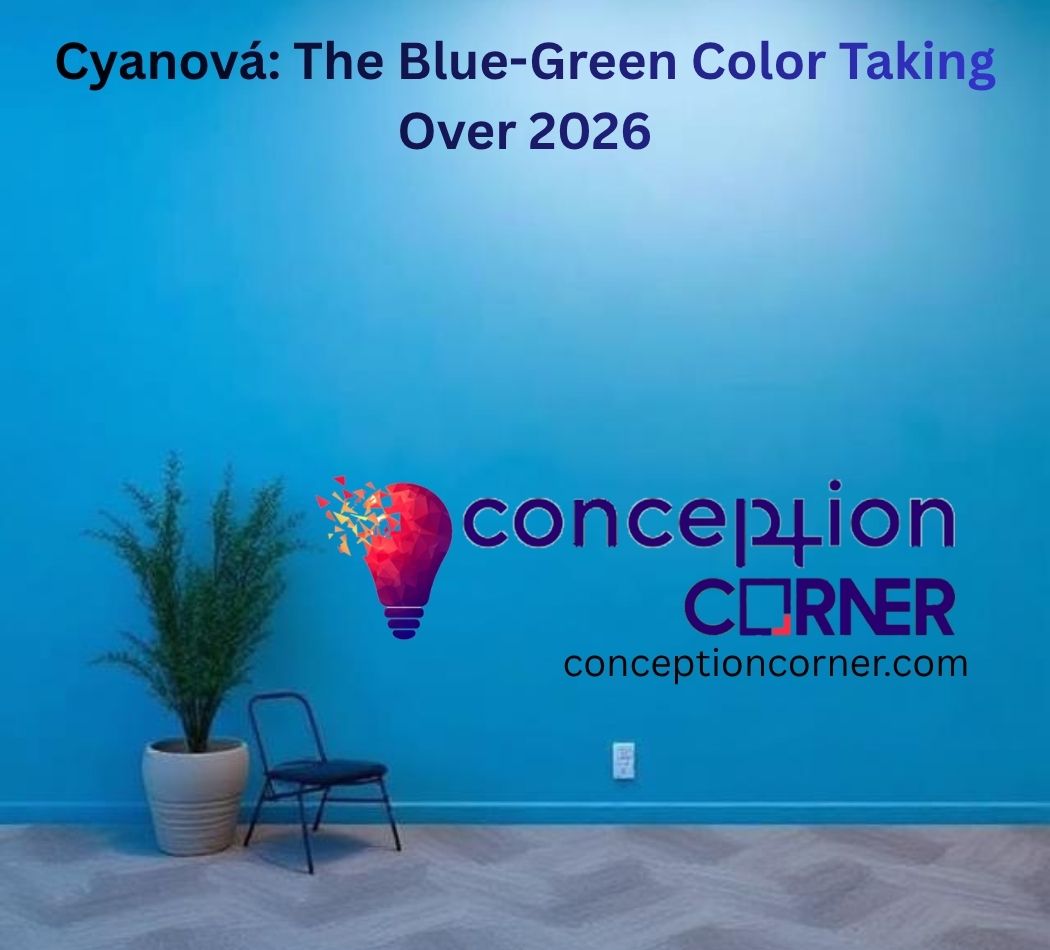
Close your eyes and picture a clear, sunny sky reflecting off a calm, tropical sea. Now, imagine that perfect shade—the one that sits right between blue and green, both calming and refreshing. For years, we’ve struggled to name it. We call it “teal,” “aqua,” or “turquoise,” but none of these words fully capture its modern, clean energy.
In 2026, a new term has emerged to describe this captivating hue: cyanová.
You’ve probably seen it on your phone screen, in minimalist branding, or on your favorite influencer’s Instagram feed. Cyanová is more than just a color; it’s a mood, a design trend, and even a tool for wellness. But what exactly is it, and why has it become so popular? This comprehensive guide will explain everything you need to know about cyanová, exploring its origins, its psychological benefits, its practical uses in various industries, and what the future holds for this refreshing shade.
The History and Science Behind the Color
What Does “Cyanová” Actually Mean?
To understand cyanová, we must first understand its root word: cyan.
Cyan is a bright, clean color that sits between blue and green on the visible light spectrum. Its name comes from the Ancient Greek word kyanos (κύανος), which originally meant “dark blue enamel” or “lapis lazuli”. While cyan is a well-known color in the RGB (Red, Green, Blue) color model used in digital displays, the term “cyanová” has a slightly different flavor.
In some European languages, such as Czech and Slovak, “cyanová” is simply the adjective for the color cyan. However, the term has evolved and is used more broadly to describe a modern, soft, and elegant version of the blue-green color. It often refers to the more muted, sophisticated tones of cyan, like those used in fashion and interior design, rather than the bright, electric cyan you see on a computer screen. Think of it as the difference between the color of a highlighter pen and the color of a peaceful ocean inlet.
A Quick Look at Color Science
Wavelength: In scientific terms, cyan is evoked by light with a predominant wavelength between 490 and 520 nanometers.
Digital vs. Print: On screens (the RGB model), cyan is a secondary color made by mixing equal amounts of green and blue light. Its hex code is #00FFFF. In printing (the CMYK model—Cyan, Magenta, Yellow, Black), cyan is a primary color. The “process cyan” used in printing is more muted and is represented by a different hex code, such as #00B7EB . This distinction is important: the cyanová we see in the physical world (on paper, on walls, on fabric) is often closer to the CMYK version, a more “process” blue-green that feels less harsh and more natural.
Why Cyanová is So Powerful: The Psychology of Blue and Green
Cyanová’s popularity isn’t just about aesthetics; it has a profound psychological impact. This is where the “magic” of the color lies. It combines the benefits of two of the most universally loved colors:
-
The Blue Element: Blue is associated with calm, tranquility, trust, and intelligence. It slows heart rate, reduces blood pressure, and creates a sense of security.
-
The Green Element: Green is associated with nature, growth, renewal, and health. It encourages feelings of balance, harmony, and optimism.
By marrying these two qualities, cyanová creates a powerful effect:
-
Reduces Stress and Anxiety: This is why the color is frequently used in hospitals, spas, and wellness apps. Its calming nature can help create a meditative state.
-
Enhances Focus and Clarity: Cyanová helps to clear the mind. For this reason, many workspaces and study areas use it to improve concentration without the overstimulation that can come from warmer colors.
-
Promotes Feelings of Innovation: Because it feels both modern and trustworthy, it’s a favorite in the tech sector. It makes people feel comfortable with new ideas and technologies.
Analogy: Think of cyanová as a “visual deep breath.” Just as taking a slow, deep breath relaxes your body, looking at cyanová sends calming signals to your brain, helping you feel centered and clear-headed.
Practical Applications: Where You’ll Find Cyanová in 2026
The power of cyanová has not gone unnoticed. It’s being used intentionally across a wide range of industries.
1. Graphic and Web Design
Designers love cyanová for its clean, modern, and non-aggressive look.
-
Backgrounds: A soft cyanová background for a website or presentation is easier on the eyes than pure white or bright blue, reducing user fatigue.
-
Branding: Tech companies, clean beauty brands, and financial institutions use cyanová in their logos and branding to convey trust, innovation, and freshness.
-
User Interface (UI): Buttons, icons, and highlights in cyanová feel inviting and clear, guiding users without being distracting.
2. Interior Design and Architecture
Cyanová has become a staple in modern interiors.
-
Accent Walls: A single wall painted in a soft cyanová tone can make a room feel more open and peaceful.
-
Furnishings: From cyanová couches and rugs to throw pillows and artwork, it adds a pop of color that feels sophisticated and relaxing.
-
Commercial Spaces: Offices, hospitals, and co-working spaces use cyanová to create an environment that is both productive and calming.
3. Fashion and Lifestyle
The fashion world has wholeheartedly embraced cyanová, especially for spring and summer collections, though it’s versatile enough for all seasons.
-
Clothing: Cyanová dresses, tops, and accessories look flattering against many skin tones. It’s a color that works well with neutrals like white, beige, and navy.
-
Accessories: Bags, sunglasses, and jewelry in this shade can add a stylish, modern touch to any outfit.
4. Technology and Media
Cyanová is practically a native color of the digital world.
-
Screens: It’s used as a background or theme color in many apps and operating systems because its low-contrast nature is easy on the eyes.
-
Gaming and Film: In video games and movies, a cyan glow is often used to signal futuristic technology, clean energy, or alien environments.
Actionable Tips: How to Use Cyanová in Your Daily Life
You don’t need to be a professional designer to harness the power of cyanová. Here are some simple, actionable tips to incorporate it into your life.
At Home:
-
Start Small: If you’re unsure, start with small accents. A cyanová throw pillow, a mug, or a piece of wall art is an easy and inexpensive way to test the vibe.
-
Paint an Accent Wall: For a bolder statement, paint one wall in a soft cyanová shade. It can make a room feel more spacious and serene.
-
Bring it Indoors: Consider cyanová as the color for a vase or plant pot. It pairs beautifully with the green of living plants, creating a natural, peaceful corner.
At Work:
-
Desktop Wallpaper: Change your computer or phone wallpaper to a calming cyanová gradient.
-
Stationery: Use a cyanová notebook or pen for your daily to-do lists. The color can help you feel more organized and focused.
-
Desk Accessories: A cyanová mouse pad, cup, or document holder can add a touch of calm to a stressful office environment.
In Your Wardrobe:
-
Add a Single Piece: Start with a cyanová scarf, tie, or handbag.
-
Pair with Neutrals: Combine a cyanová top with white jeans, or a cyanová dress with beige sandals. It pairs just as beautifully with navy for a more classic look.
Common Mistakes to Avoid
While cyanová is a versatile and forgiving color, there are some common pitfalls.
1. Choosing the Wrong Shade
Cyanová is not a single color; it’s a family of shades. Avoid bright, neon, or overly electric blues that can be harsh. Stick to softer, more muted tones that have a balanced mix of blue and green, leaning toward “aquamarine” or “teal” rather than “electric cyan.”
2. Using Too Much
While it’s a calming color, using an overwhelming amount of cyanová in a single space can feel cold or sterile. Balance it with warm neutrals (like beige, wood, or brown) or even a contrasting warm accent color (like coral or peach).
3. Ignoring Lighting
The color can shift dramatically under different lighting conditions. A shade that looks perfect in your office under fluorescent lights might look very different in your living room under warm incandescent bulbs. Always test a paint swatch or fabric sample in the actual space before committing.
Pros, Cons, and a Balanced View
Like anything, cyanová has its strengths and weaknesses.
Pros:
-
Calming: Excellent for reducing stress and promoting relaxation.
-
Versatile: Works well in digital and physical spaces, across many industries.
-
Modern: Feels clean, new, and innovative.
-
Easy on the Eyes: A great background color for reading and screen time.
Cons:
-
Can Feel “Cold”: If used too heavily or without warm accents, it can feel uninviting or sterile.
-
Color Matching: Due to the difference between RGB and CMYK, ensuring a digital cyan matches a printed cyan can be tricky.
-
Cultural Connotations: While blue and green are generally positive, associations can vary by culture.
The Future of Cyanová: Predictions for 2026 and Beyond
Cyanová isn’t a flash-in-the-pan trend. Here’s why its future is bright:
-
The Rise of “Digital Wellness”: As we spend more time in front of screens, colors that are easy on the eyes, like cyanová, will become essential for UI/UX design.
-
A Thirst for Calm: In an increasingly chaotic world, people are seeking visual cues for peace and calm. Cyanová perfectly fulfills this role.
-
Sustainability Connection: Its association with clean water and the natural environment makes it a powerful color for brands and movements centered on sustainability and health.
-
Color Psychology in the Mainstream: As more people understand how color affects mood, they’ll be more intentional about including colors like cyanová in their environments.
Conclusion & Key Takeaways
Cyanová is a testament to the power of color in our lives. It’s more than just a shade of blue-green; it represents a desire for balance, clarity, and calm in a fast-paced world. From digital interfaces to our living rooms, its influence is already felt, and its relevance is only set to grow.
Quick Summary
-
What it is: A modern, often soft, blue-green color derived from the word “cyan.”
-
Why it works: It combines the calming properties of blue with the balance and optimism of green.
-
Where it’s used: In graphic design, web design, fashion, interior design, and technology.
-
Why it’s popular: It reduces stress, improves focus, and looks fresh and modern.
Key Takeaways:
-
Cyanová is a calming, versatile color that sits between blue and green on the color spectrum.
-
Its primary benefit is its ability to reduce stress and anxiety while promoting focus and clarity.
-
You can incorporate it into your daily life easily through small accents, digital wallpapers, or wardrobe choices.
-
Avoid using overly bright shades or putting it in a room without warmer accents to balance it out.
-
Its future looks strong as it aligns perfectly with the growing trends of digital wellness and a search for calm.
Detailed FAQs
1. What exactly is cyanová in simple terms?
Cyanová is a beautiful blue-green color that feels fresh and calm. It mixes the peacefulness of blue with the refreshing, growth-oriented feeling of green.
2. Is cyanová just a color, or does it mean something more?
It started as a color name, but now it also describes a modern feeling of clarity, balance, and calm in design, fashion, and daily life.
3. Where can I commonly see cyanová?
You can find it everywhere: in clothing, website designs, room decorations, phone screens, and even in nature, like clear ocean water or a sunny sky.
4. Does cyanová actually help with stress?
Many people and studies in color psychology suggest that cyanová tones send peaceful signals to the brain, which can help reduce stress and improve focus.
5. Is cyanová the same as teal?
Not exactly. Teal is a deeper, darker shade of blue-green, while cyanová refers to the broader spectrum of lighter, brighter, and softer blue-green tones.
6. Can I use cyanová in my home?
Absolutely! It works well in small accents like pillows or art, or on a larger scale like an accent wall. Just be sure to balance it with warmer colors like beige or wood tones to avoid it feeling too cold.
7. How is cyanová different from regular cyan?
“Cyan” often refers to the very bright, electric color used in digital screens (RGB: 0, 255, 255). “Cyanová,” in modern usage, tends to refer to a softer, more muted, and elegant version of this hue, more similar to process cyan used in printing.
8. Will cyanová stay popular?
Yes, its popularity seems set to grow as people increasingly look for calm and clear visual experiences in a busy world.
Sources
-
David Morrow. “Cyanová Explained: Meaning, Uses, and Benefits.” Instapv, 2026.
-
Wikipedia contributors. “Cyan.” Wikipedia, The Free Encyclopedia.
-
“farba cyanová (Cyan (process)) [#00b7eb].” digitálna encyklopédia farieb, EduSelf.sk.
-
Wikipedia contributors. “Cyan.” Czech Wikipedia.