
 By concept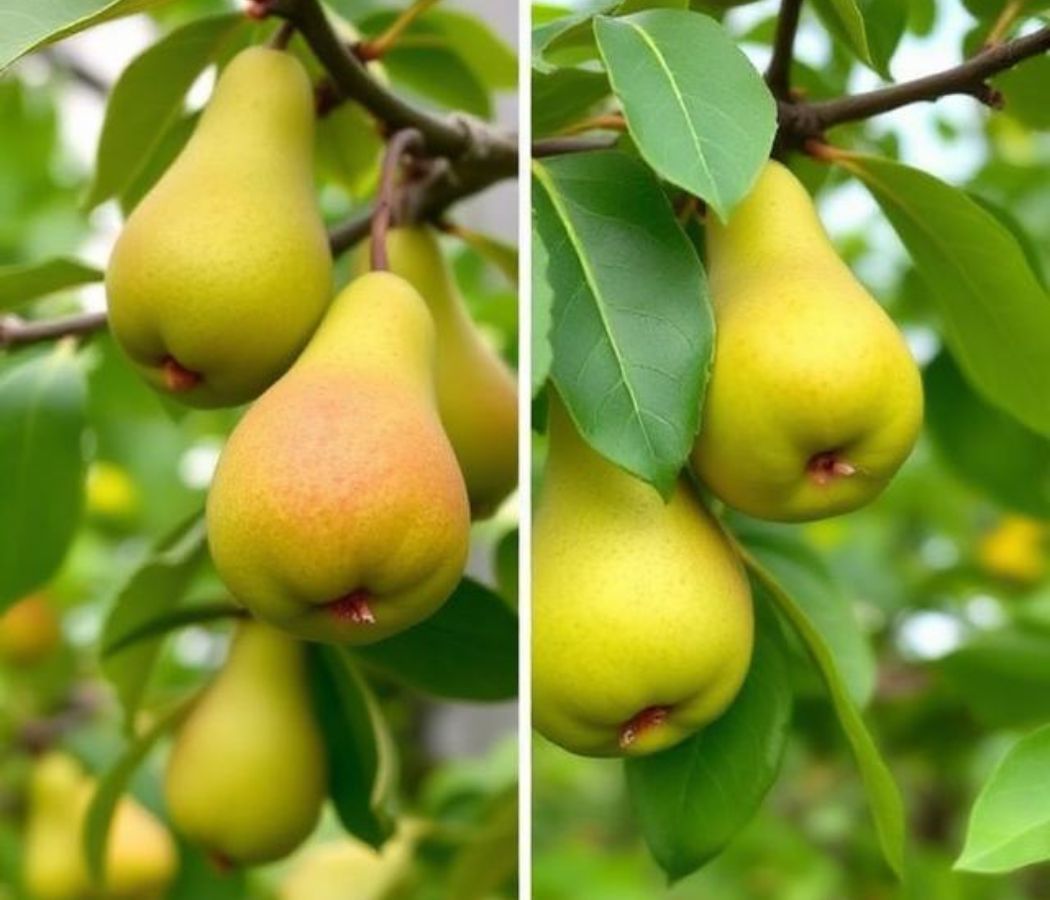
When you first hear the term “Navigator Pear,” it is easy to assume you are looking at just one specific type of tree. However, in the world of horticulture, this name actually opens the door to two distinct—yet equally stunning—options for your garden.
Are you looking for a stunning landscape specimen that offers four-season color and requires minimal maintenance? Or are you a home gardener craving crisp, homegrown fruit that stores well into the winter?
Depending on your needs, the Navigator Pear might be the perfect “accidental” discovery for your yard or the next great addition to your orchard. In this guide, we will explore both the Navigator Ornamental Pear (Pyrus ‘DurPSN303’) and the Navigator Fruiting Pear (Pyrus communis ‘Navigator’).
We will break down their differences, care requirements, and the unique benefits they bring to the table.
Part 1: The Navigator Ornamental Pear (The Landscape Showstopper)
If you have driven through a suburban neighborhood in early spring and been stopped in your tracks by a cloud of white blossoms, you may have been looking at an ornamental pear. The Navigator Ornamental Pear is a specific cultivar bred specifically for its visual impact, its narrow, columnar shape, and its incredible hardiness.
Why Choose the Ornamental Navigator?
This tree is often recommended by landscape architects for tight spaces. Unlike the standard “Bradford” pear (which is known for structural weakness and invasive tendencies in some regions), the Navigator is praised for its strong branching and tidy habit.
Key Features:
-
The Perfect Shape: It grows in a dense, pyramidal to oval form. At maturity, it reaches about 25–26 feet tall but stays narrow at only 12 feet wide. This makes it ideal for planting along driveways, sidewalks, or as a vertical accent in a small garden.
-
Explosive Spring Color: In mid-spring, before the leaves even unfurl, the branches are absolutely smothered in clusters of white flowers with pink anthers.
-
Reliable Fall Foliage: While many trees promise fall color, the Navigator delivers. The glossy, heart-shaped green leaves transform into brilliant shades of red, orange, and yellow in the autumn.
-
Fruitless (Mostly): One of the biggest complaints about older ornamental pears is the messy, foul-smelling fruit they drop. The Navigator Ornamental Pear is prized because it “rarely produces fruit,” keeping your walkways and patios clean.
Growing Conditions for Ornamental Navigator
This tree is built to survive where others fail. It is hardy down to USDA Zone 2a, making it one of the most cold-tolerant ornamental trees on the market.
-
Sunlight: Full sun only (at least 6 hours).
-
Soil: It is incredibly adaptable, tolerating clay, loam, sand, and various pH levels. However, it prefers well-drained, average to moist conditions.
-
Watering: It needs regular watering until established, but once mature, it is highly tolerant of drought and urban pollution.
Maintenance Note
Because it grows fast (up to 2 feet per year), you will need to prune it in late winter to maintain its shape. However, it is considered a “low canopy” tree, meaning you won’t have to crane your neck to see the trunk—it typically has about 3 feet of clearance from the ground.
Part 2: The Navigator Fruiting Pear (The Homesteader’s Choice)
While the ornamental version is for the eyes, the Navigator Fruiting Pear (often listed under Pyrus communis) is for the palate. This is a relatively modern European cultivar bred specifically for cold climates and long-term storage.
Taste and Texture Profile
If you are a fan of the buttery texture of a Bartlett but wish it had the spicy complexity of a Bosc, the Navigator is your perfect middle ground.
-
Flavor: Delicately sweet with subtle floral notes. It is not cloying; it is refreshing.
-
Texture: Crisp, firm, and juicy. It holds its shape exceptionally well when cooked.
-
Culinary Uses: It is a true dual-purpose pear. Eat it fresh off the tree, slice it into salads, or poach it in red wine. It also makes excellent jams and compotes.
Growing Conditions for Fruiting Navigator
This tree is slightly smaller than its ornamental cousin, usually topping out around 12–15 feet tall, which makes harvesting easy without a ladder.
-
Hardiness: Hardy in Zones 4-7 (sometimes down to Zone 3).
-
Chill Hours: It requires 800-1,000 chill hours (temperatures below 45°F) to set fruit properly.
-
The Pollination Catch: This is the most important distinction! Unlike the ornamental version, this tree is not self-fertile. To get fruit, you must plant another European pear variety nearby (such as a Bartlett, Bosc, or Conference) within 50 feet.
Harvest and Storage (The “Navigator” Legacy)
The pear earned its name because of its suitability for “navigation” or transport. These pears are harvested when they are mature but still hard. You should pick them when the skin color shifts from bright green to golden-green, but before they are soft.
Storage Life: Under proper conditions (cool, dark, humid), Navigator Pears can last 3 to 5 months in storage. This makes them a fantastic “winter fruit” supply for preppers and homesteaders.
Part 3: Comparison Chart (Which One is Right for You?)
To make the decision easier, here is a direct head-to-head comparison of the two trees often referred to as “Navigator Pear.”
| Feature | Navigator Ornamental | Navigator Fruiting |
|---|---|---|
| Primary Use | Landscape accent, privacy screen | Home orchard, edible landscaping |
| Mature Size | 25-26′ Tall x 12′ Wide | 12-15′ Tall x 8-10′ Wide |
| Hardiness Zone | Zones 2a – 7 | Zones 4 – 7 |
| Flowers | Heavy white blooms in spring | White blooms in spring |
| Fruit Production | None (or negligible) | Heavy producer (requires pollinator) |
| Fall Color | Red/Orange/Yellow | Yellow |
| Soil Preference | Very adaptable, tolerates clay | Requires well-drained loam |
| Best For… | Curb appeal, low maintenance | Fresh eating, canning, storing |
Part 4: Care Guide and Common Problems
Regardless of which variety you choose, pears are generally low-maintenance, but there are a few universal rules to follow.
Planting Tips
-
Timing: Plant in early spring as soon as the soil can be worked.
-
Hole Size: Dig a hole 2-3 times wider than the root ball but no deeper than the root ball itself. Planting too deep is the #1 cause of tree death.
-
Location: Do not plant the ornamental version under power lines (it gets too tall). Ensure the fruiting version gets full sun (6-8 hours) for the sweetest fruit.
Pests and Diseases to Watch For
Even the tough Navigator has its enemies. Keep an eye out for:
-
Fire Blight: This bacterial disease makes branches look like they have been scorched by fire. If you see it, prune the branch 8-12 inches below the infection and disinfect your shears with bleach between every cut.
-
Pear Psylla: Small insects that cause leaf curl. Dormant oil sprays in late winter are the best prevention.
-
Iron Chlorosis: If the leaves turn yellow but the veins stay green, your soil may be too alkaline. Adjust the pH or use a chelated iron supplement.
Pruning Strategy
Both trees benefit from late-winter pruning (February/March).
-
Goal: Create an open center or a central leader that allows sunlight and air to penetrate.
-
Cut: Remove dead, diseased, or crossing branches. Make your cut at a 45-degree angle just above an outward-facing bud.
Conclusion
The “Navigator Pear” is truly a tale of two trees.
If you need a vertical accent that can handle brutal winters and looks stunning in the fall, buy the Ornamental Navigator (Pyrus ‘DurPSN303’).
If you want to harvest bushels of sweet, store-able fruit every autumn for pies and canning, plant the Fruiting Navigator (Pyrus communis) and a friend for pollination.
Whichever you choose, you are selecting a tree known for resilience, beauty, and performance. Have you grown either of these varieties in your garden? Let us know in the comments below!