
 By concept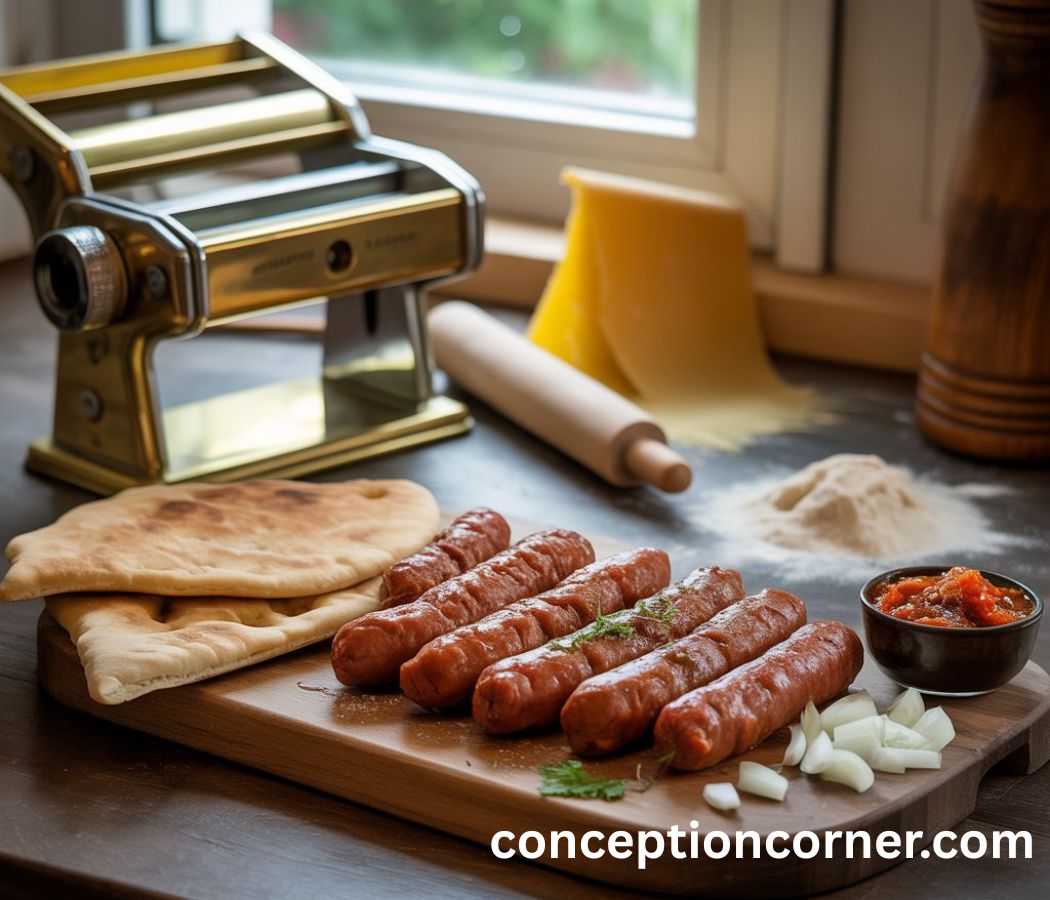
We’ve all been there: you stumble across a curious new word online, but every search pulls up something completely different. Levapioli is one of those fascinating words, leading down several intriguing paths. But don’t worry, this guide is here to untangle the delicious mystery. Whether you’re a food lover, a DIY enthusiast, or a curious mind, get ready to explore the incredible and tasty world of levapioli.
The Culinary Star: The Balkan Grilled Meat Dish
For most people, particularly food lovers, levapioli refers to a mouthwatering, smoky grilled meat dish from the heart of the Balkans. It’s known for its juicy texture and incredible flavor, quickly becoming a beloved comfort food and street food staple.
If you love the smoky char of a great kebab, get ready to discover its equally delicious cousin.
What Is Levapioli (Ćevapi)?
At its core, this version of levapioli—also widely known as ćevapi—is small, finger-sized sausages made from minced meat, traditionally beef and lamb, though pork or veal is sometimes used. The mixture is simply, but effectively, seasoned with garlic, salt, pepper, and often paprika before being grilled over an open flame or charcoal. This process gives it that irresistible smoky exterior while keeping the inside incredibly tender and juicy.
The word “ćevapi” itself comes from the Persian kabāb, tracing its roots back to the Ottoman Empire. As the Ottomans expanded into the Balkans, they brought their grilling traditions, which were enthusiastically adopted and adapted, evolving into the distinct dish we know today.
A Dish Steeped in History and Culture
Levapioli is far more than just food; it’s a cultural icon that embodies hospitality, community, and resilience. Throughout the Balkans, families have passed down their cherished recipes through generations, sharing it at everything from casual family barbecues to large celebrations. It symbolizes togetherness and is a source of immense pride from Sarajevo to Belgrade.
During the Bosnian War in the 1990s, the dish took on an even deeper meaning. People risked their safety to gather ingredients to make and share this meal, as it represented a taste of normalcy, hope, and home during unimaginable hardship. Today, it’s one of the few things that transcends the region’s complex ethnic and religious divisions, uniting people with a shared love for its simple, perfect flavor.
Regional Twists Across the Balkans and Beyond
The dish’s journey across borders has given rise to many delicious regional variations, each with its own unique character.
| Region | Key Differences | Signature Touch |
|---|---|---|
| Bosnia | Classic blend of beef and lamb; revered as soul food | Often has higher lamb content for distinctive flavor |
| Serbia | Typically includes pork with beef for extra richness | Frequently uses veal for a more delicate texture |
| Croatia | Often served with grilled vegetables for freshness | Lighter spice profile with emphasis on grilled sides |
| Kosovo | Thicker, juicy texture from finely chopped onions in mix | Onions add moisture and subtle sweetness |
| Albania | Bolder, more fragrant experience | Uses cumin and coriander for warmth and complexity |
| Italy | Incorporates pork, regional herbs (rosemary), and cheeses (Pecorino) | Italian version of the dish due to migration |
| Greece | Unique vegetarian spin | Flaky phyllo pastry with spinach, feta, and herbs |
How to Master Levapioli at Home
Bringing this Balkan magic into your own kitchen is surprisingly simple. The key is to use high-quality ingredients and treat the meat gently.
-
The Meat Blend: The foundation of great levapioli is a high-quality meat blend. A classic ratio is 70% ground beef to 30% ground lamb, which provides the perfect balance of richness and structure. An 80/20 ratio of meat to fat is ideal for a juicy result.
-
The Seasoning: Simplicity is key. For every pound of meat, add 4-5 finely minced garlic cloves, a generous teaspoon each of salt and black pepper, and a teaspoon of sweet or smoked paprika. Some recipes also include a tablespoon of finely chopped fresh parsley for a touch of freshness.
-
Mixing and Shaping: In a large bowl, combine the meat and seasonings by hand. Gently mix until everything is just incorporated. Be careful not to overwork the meat, as this will make the final product tough and dense. Once mixed, take small portions and roll them into finger-sized sausages or small patties, about 2-3 inches long.
-
Cooking to Perfection: The most authentic way to cook levapioli is over a charcoal grill, as it imparts that signature smoky flavor. However, a hot cast-iron pan or an outdoor gas grill works wonderfully too. Cook the levapioli for about 5-7 minutes per side over medium-high heat until they are beautifully charred on the outside and cooked through.
The Perfect Serving: Accompaniments and Sides
Levapioli is rarely eaten alone; it’s a dish designed to be shared. The traditional presentation is simple: a generous portion of hot levapioli nestled in warm, soft flatbreads, most commonly lepinja or somun. These fluffy breads are perfect for wrapping around the juicy sausages.
The accompaniments are just as crucial, offering pops of freshness and tang:
-
Onions: Plenty of raw, chopped onions are a must for a sharp, crunchy contrast.
-
Ajvar: This beloved roasted red pepper and eggplant spread adds a sweet, smoky, and slightly tangy flavor.
-
Kajmak: For the ultimate indulgence, add a smear of kajmak, a creamy, clotted cream-like dairy spread that adds a rich, luscious finish.
-
Yogurt Sauce: A simple yogurt-based sauce provides a cool, refreshing counterpoint to the rich, smoky meat.
For a modern twist, you can serve levapioli in a bowl over rice or a fresh salad, tucked into a sandwich, or as a fun new addition to your next taco night.
The Surprising Second Act: The Italian Tool
Now, for the unexpected twist: levapioli is also the name of a real, practical tool used by mechanics and DIYers. This meaning comes from the Italian language, where “leva” means “to lift” and “pioli” translates to “pegs” or “nails”.
In this context, a levapioli is a specialized hand tool, a type of precise pry bar or nail puller designed to extract pins, trim, panels, or stubborn fasteners without causing damage to the surrounding surface. This tool is a perfect example of the Italian design philosophy that values both beauty and function.
How a Levapioli Tool is Used
A levapioli tool shines in situations where a standard crowbar is too large or clumsy. Its compact size and precision tip allow it to fit into tight gaps and remove parts with control and care. It is an incredibly versatile tool used by:
-
Mechanics: To remove interior trim, door panels, and other delicate parts.
-
DIYers and Home Handymen: For removing baseboards, window trim, or lifting floorboards without splintering the wood.
-
Carpenters: To pull crooked nails or carefully pry apart wooden joints.
-
Emergency Services: Rescue workers may use them to pry open stuck windows or doors.
The Third Layer: An Emerging Philosophy
Beyond the grill and the toolbox, levapioli has even taken on a third, more abstract meaning. In some online circles, particularly in business and tech, the term has been adopted as a concept, an idea, or a philosophy that represents lifting something up, finding balance, and improving systems.
This usage stems from the word’s Italian root of “lifting” and is used to describe a way of thinking about work and life. For example, a team might use a “levapioli mindset” when solving a complex problem by being flexible and balancing creativity with data. It has also been used in branding and design to represent concepts like flexibility, adaptability, and thoughtful progression.
Why You’ll Love It: The Health and Nutrition Angle
No matter which version of levapioli you’re talking about, one of its greatest strengths is its incredible nutritional profile. The food itself is a powerhouse of nutrients, making it a fantastic choice for anyone, from athletes to busy families.
Here’s why you’ll love adding levapioli to your diet:
-
High-Quality Protein: The primary ingredient is lean meat, which provides a fantastic source of complete protein. This is crucial for muscle growth, repair, and keeping you feeling full and satisfied.
-
Rich in Micronutrients: It’s also packed with essential vitamins and minerals like iron (for healthy blood), zinc (for a strong immune system), and vitamin B12 (for energy production).
-
Low in Carbs: Levapioli is naturally very low in carbohydrates, making it an excellent choice for those following a keto, paleo, or low-carb lifestyle.
-
Versatile and Customizable: It’s also incredibly easy to adapt to a wide variety of diets and preferences. You can easily substitute the meat for ground turkey or chicken, or use plant-based alternatives like lentils, chickpeas, or Beyond Meat for a delicious and satisfying vegetarian version.
Taking It Home
From its roots as a simple, smoky grilled meat in the Balkans to its unexpected life as a precision tool in Italian workshops, and even as a modern philosophy, levapioli is a perfect example of how a single word can take on a life of its own. It represents a celebration of flavor, community, and craftsmanship, all wrapped up in a fascinatingly multifaceted term.
So, the next time you’re planning a barbecue, a DIY project, or just looking for a delicious new meal to try, remember levapioli. Whichever path you choose, you’re in for a truly rewarding experience.
Looking for an authentic levapioli recipe? Try this one:
Authentic Balkan Levapioli Recipe 🌟
Ingredients:
-
For the meat mixture:
-
1 lb (450g) ground beef
-
0.5 lb (225g) ground lamb
-
4-5 cloves garlic, finely minced
-
1 tsp salt
-
1 tsp black pepper
-
1 tsp paprika
-
1 tbsp fresh parsley, finely chopped
-
-
For serving:
-
Lepinja or pita bread
-
Raw onion, chopped
-
Ajvar (roasted red pepper spread)
-
Kajmak or thick yogurt
-
Instructions:
-
In a large bowl, gently combine the ground meats, garlic, salt, pepper, paprika, and parsley with your hands. Mix until just combined—avoid overworking the meat.
-
Shape the meat mixture into finger-sized sausages or small patties, about 2-3 inches long.
-
Preheat your charcoal grill, gas grill, or a heavy-bottomed pan over medium-high heat.
-
Cook the levapioli for about 5-7 minutes per side until they have a nice char on the outside and are cooked all the way through.
-
Serve immediately in warm flatbread, topped with the chopped onion, ajvar, and a generous dollop of kajmak or yogurt. Enjoy!
Happy grilling!