
 By concept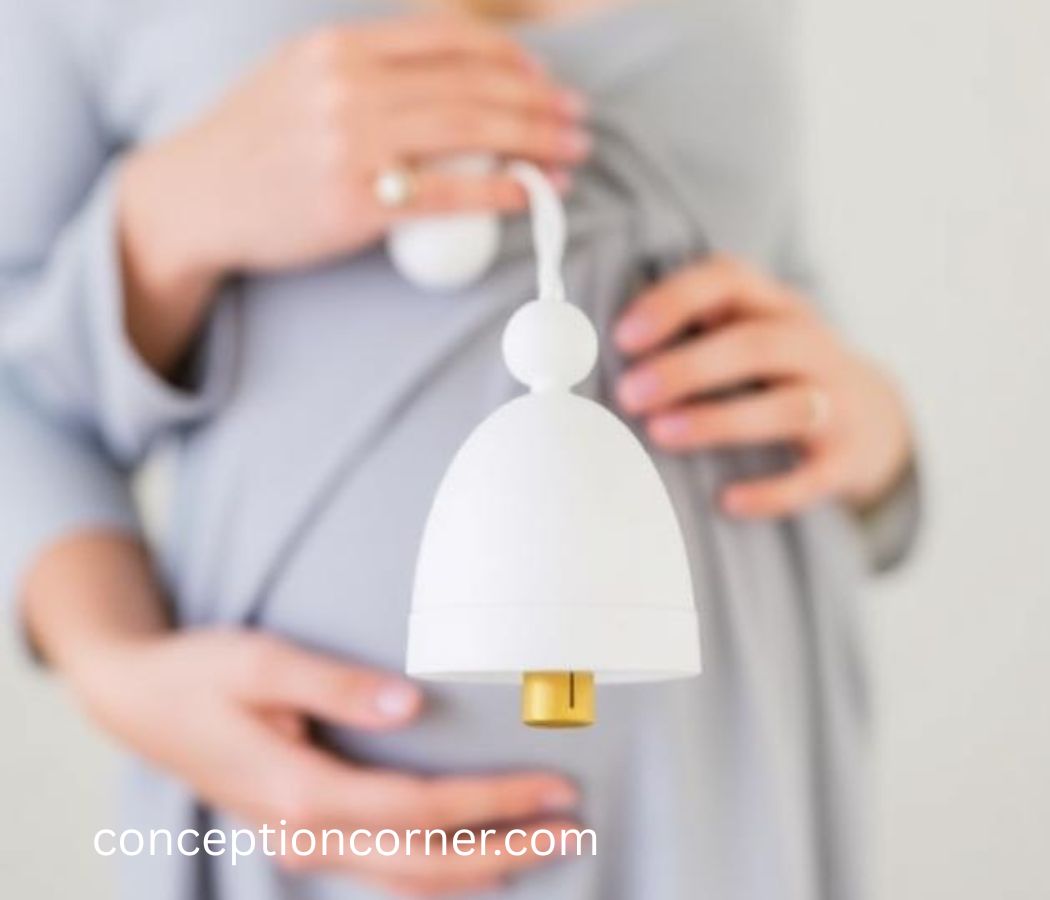
If you have stumbled across the word babybelletje recently, you might be confused. Does it refer to a cute cheese snack? A piece of jewelry? Or an internet nickname?
You are not alone. The term “babybelletje” is a fascinating example of how language evolves. It sits at the crossroads of Dutch parenting traditions, modern sensory therapy, and internet slang.
In this comprehensive guide, we will break down the three meanings of babybelletje, with a deep dive into the most popular one: the pregnancy necklace taking the parenting world by storm.
What is a Babybelletje? The 3 Definitions
Depending on who you ask, babybelletje can mean three very different things. Here is the quick guide:
1. The Pregnancy Necklace (The Primary Meaning)
In Dutch, “belletje” translates to “little bell.” A babybelletje is a long necklace with a hidden bell inside a decorative pendant (often silver or gold). When the mother moves, it emits a soft, high-frequency tinkling sound. It is designed to be heard by the baby in the womb.
2. The Cheese (Common Confusion)
Due to the similarity in spelling, many people use “babybelletje” when searching for Babybel cheese—the small, round, red-wax-covered snacks . While this is technically a mistake, it is so common that search engines often mix the two results.
3. The Internet Slang / Nickname
In digital spaces, babybelletje has emerged as a playful nickname for someone small, cute, or precious. It is often used as a term of endearment similar to “sweetie” or “little one” .
Deep Dive: The Pregnancy Chain (Zwangerschapsketting)
The most significant and meaningful definition of babybelletje is the pregnancy necklace (also known as a Zwangerschapsketting or Ohm Bola). This isn’t just a fashion accessory; it is a tool for bonding.
The Origins
The concept originates from the Dutch and Japanese Ohm Bola. It is based on the principle that babies develop hearing around 18 to 20 weeks of pregnancy. The soft tinkling sound mimics the soothing sounds of the womb or gentle lullabies .
How It Works
The necklace is typically long (so the pendant rests on the belly). Inside the pendant is a small bell.
-
Sound: Unlike a loud alarm, the babybelletje produces a soft, high-frequency chime.
-
Mechanism: Every time the mother breathes, laughs, or moves, the bell rings.
-
Reaction: The baby inside learns to recognize the sound, associating it with safety and mom.
Benefits for Baby and Mother
Why are millions of parents buying these in 2025/2026? Research into sensory parenting suggests several benefits :
-
Prenatal Bonding: It gives the baby a “voice” to respond to. Mothers often feel the baby kick or move toward the sound.
-
Postnatal Comfort: Once the baby is born, parents can use the same bell to soothe a crying infant. The familiar sound is a powerful trigger for calmness.
-
Emotional Regulation: The repetitive, soft tinkling reduces cortisol (stress) levels in both mother and child.
Fact: One study cited by parenting forums notes that the babybelletje works best starting at 20 weeks, as the baby’s ear structure is developed enough to process the gentle chime .
Addressing the Myths: Is it Safe?
If you look up babybelletje in Dutch forums, you will see intense debates. Let’s bust the myths .
Myth 1: The bell causes a breech position (stuitligging).
Some believe the baby will turn its head toward the sound and get stuck in a breech position (feet first).
-
The Verdict: False. Gynecologists and midwives have largely debunked this as an “old wives’ tale.” The sound is far too soft to force a physical turn strong enough to lock the baby into a breech position. In fact, some mothers use the bell to encourage turning the right way .
Myth 2: The noise is too loud for the baby.
Critics say the constant jingling is annoying.
-
The Verdict: False. The sound is usually softer than a whisper. If you compare it to the noise of a mother’s digestive system, heartbeat, or blood flow (which is quite loud inside the womb), the tiny bell is a gentle whisper .
Babybelletje vs. Babybel Cheese
It is important to clarify this mix-up to ensure you buy the right product!
| Feature | Babybelletje (Pregnancy Bell) | Babybel (Cheese) |
|---|---|---|
| Appearance | Silver/Gold pendant on a chain | Red wax-coated mini wheel |
| Sound | Tinkling bell | Silence (or a wrapper squeak) |
| Purpose | Soothing unborn babies | Snacking |
| Target | Expecting mothers | Anyone hungry |
If you are looking for the cheese, you want “Babybel.” If you are looking for the jewelry, you want “Babybelletje” .
Modern Trends: Why It’s Going Viral in 2026
The babybelletje is experiencing a massive resurgence, largely thanks to “Gentle Parenting” and TikTok trends.
-
Sensory Minimalism: Parents are moving away from loud, plastic, battery-operated toys. The babybelletje fits the trend of Montessori and Waldorf parenting—simple, natural, and sensory-friendly .
-
Aesthetic Appeal: Modern babybelletjes are beautiful. They are often made of sterling silver, healing crystals, or Ohm symbols, making them a stylish accessory that moms actually want to wear .
-
The “Sound” Trend: ASMR and sound therapy are huge. Parents are realizing that specific frequencies calm babies. The babybelletje acts as a portable sound machine.
How to Choose the Right Babybelletje
If you are ready to buy one, keep these safety tips in mind :
-
Length Matters: The chain should be long enough to rest on your belly but short enough not to get caught on furniture (usually around 80cm).
-
Material Safety: Choose hypoallergenic materials (Sterling silver or surgical steel) to avoid skin rashes during pregnancy, when skin is sensitive.
-
Sound Check: Listen to the bell. It should be a soft chime, not a sharp, piercing ring. You want to soothe the baby, not startle it.
The Verdict
Whether you are looking for a spiritual bonding tool for your unborn child, a cute nickname for your partner, or you just typed the wrong word while looking for cheese, the babybelletje is a fascinating word.
For expecting parents, the pregnancy necklace is highly recommended by modern parenting experts. It is a beautiful, safe way to say “hello” to your baby before they are born.