
 By concept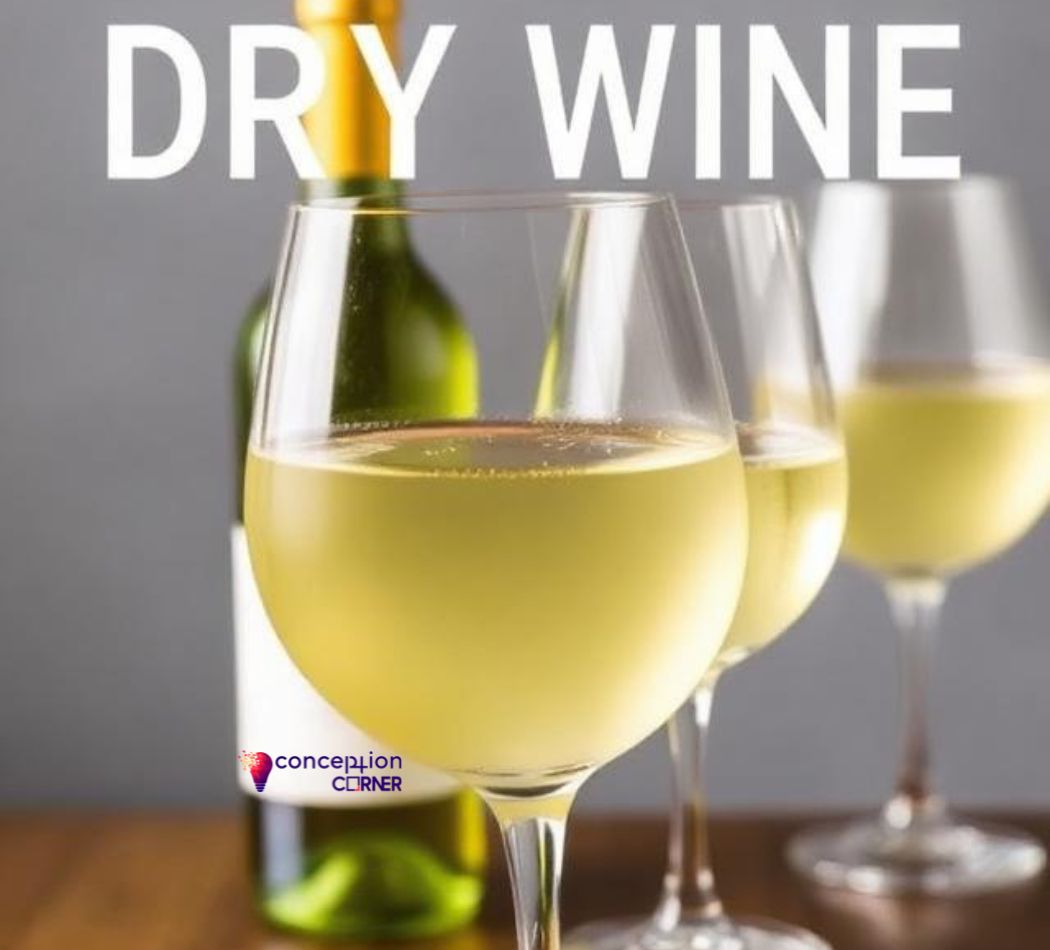
You walk down the wine aisle, scanning shelves filled with pale, golden bottles. You know you want a white wine, but you’re not sure which one. You’ve heard terms like “crisp,” “refreshing,” and “mineral,” but what you really want is a wine that isn’t sweet. You, my friend, are looking for a dry white wine. This guide is your comprehensive, deep dive into everything you need to know—from how it’s made to which bottle to pick for dinner.
What Exactly Is Dry White Wine? Unraveling the Myth
The most common misconception about wine is that a grape variety dictates whether a wine will be sweet. You might have heard someone say, “I don’t like Riesling, it’s too sweet,” while reaching for a Sauvignon Blanc they assume is dry. In reality, whether a wine is dry or sweet is a decision made by the winemaker, not determined by the grape itself.
To put it simply, a dry white wine is a wine with very little residual sugar. During fermentation, yeasts consume the natural sugars in grape juice and convert them into alcohol. In a dry wine, this fermentation process continues until nearly all the sugar is gone, leaving behind a crisp, non-sweet profile. If the winemaker wants a sweeter wine, they will stop the fermentation process early, leaving some of the sugar behind. So, you can have a bone-dry Riesling and a sweet Chardonnay, although some styles are certainly more common than others.
The Three Pillars of Dry White Wine: Body, Flavor, and Texture
Dry white wines are incredibly diverse. To make sense of them, it’s helpful to categorize them by their body and flavor profile. A great way to start is by looking at the grape variety, which sets the basic structure and flavors.
Light-Bodied & Crisp: The Citrus Stars
These wines are the ultimate palate cleansers. They are characterized by high acidity, zesty citrus flavors, and a light, refreshing finish. They are typically meant to be enjoyed young, within the first 1-2 years of their vintage, to maximize their vibrant fruitiness.
-
Key Varieties: Pinot Grigio, Sauvignon Blanc (in some styles), Albariño, Vinho Verde, and Muscadet.
-
Perfect Pairings: Seafood (especially oysters, clams, and light flaky fish), salads, goat cheese, and light vegetable dishes. They are also the go-to for deglazing a pan due to their high acidity.
Herbaceous & Aromatic: The Grassy Greens
This category is defined by intensely “green” flavors. Think of Sauvignon Blanc from New Zealand, and you’ll immediately understand this style. These wines offer notes of lime zest, passionfruit, green bell pepper, and freshly cut grass.
-
Key Varieties: Sauvignon Blanc, Grüner Veltliner, and sometimes Vermentino.
-
Perfect Pairings: They are a fantastic match for dishes featuring fresh green herbs, richer fish like salmon, chicken, and delicately flavored shellfish such as scallops. They also make an excellent choice for a flavorful sauce Béarnaise.
Full-Bodied & Complex: The Creamy Giants
On the opposite end of the spectrum are richer, fuller-bodied dry whites. These wines often gain their weight and complexity from winemaking techniques like aging in oak barrels and a process called malolactic fermentation.
-
Key Varieties: Chardonnay (especially oaked styles) is the primary player here, though winemakers are experimenting with others. Look for wines labeled “oaked” or from regions that traditionally use this style.
-
Beyond Chardonnay: Viognier and some richer Pinot Gris also fall into this category.
-
Perfect Pairings: Richer, creamier dishes are a natural fit. Think cream-based sauces, roasted chicken, and richer fish. Because of its lower acidity, a squeeze of lemon or vinegar might be needed when cooking with this style.
The Winemaker’s Toolkit: How Dry White Wines Get Their Personality
Beyond the grape and the region, winemakers have a secret toolkit of techniques to shape the final profile of a dry white wine. Knowing these can help you understand why two Chardonnays from the same region can taste completely different.
-
Oak Aging vs. Unoaked: This is perhaps the most significant stylistic decision. Fermenting and aging wine in oak barrels does two things: it adds flavors of vanilla, toast, and spice, and it allows slow oxygenation, which can round out the wine. Unoaked wines, typically fermented in stainless steel, maintain their pure, zesty fruit flavors and sharp acidity.
-
Malolactic Fermentation (MLF): If you’ve ever tasted a buttery, creamy Chardonnay, you’ve experienced MLF. It’s a secondary fermentation where a special bacteria converts sharp malic acid (think green apple) into softer lactic acid (think milk). This process reduces acidity and adds that sought-after creamy mouthfeel.
-
Sur Lie Aging: This French term translates to “on the lees.” The “lees” are the dead yeast cells that settle at the bottom of a barrel or tank after fermentation. Winemakers may stir these lees back into the wine (“bâtonnage”), which adds a creamy texture and can lend bready or biscuit-like aromas.
-
Skin Contact: For a bit of extra texture and complexity, some winemakers allow the white grape juice to macerate with the skins for a short time. This can add tannins, herbal notes, and bitterness—an acquired taste that adds interest and structure.
Choosing the Best Bottle: A Practical Guide
When you’re staring at the shelf, these pointers can help you navigate your choices.
For Everyday Sipping: A crisp Pinot Grigio or a zesty Sauvignon Blanc are excellent, affordable choices for any occasion.
For Cooking: You want a wine that will enhance your food. The best dry white wines for the kitchen are Sauvignon Blanc, Pinot Grigio, and unoaked Chardonnay. Avoid heavily oaked wines, which can become bitter when reduced. A general rule in the kitchen is: “Never cook with a wine you wouldn’t drink.”
-
Seafood & Pasta: Light-bodied, crisp whites.
-
Creamy Dishes: Unoaked Chardonnay or a full-bodied white.
-
Herbaceous Chicken Dishes: A classic Sauvignon Blanc.
For a deeper dive into how to pick the perfect bottle for any occasion, check out our guide on [Link to a related article, e.g., “The Ultimate Wine and Food Pairing Guide”].
Common Mistakes & How to Avoid Them
Even seasoned wine enthusiasts can fall into a few traps. Here are the most common mistakes when choosing and using dry white wine.
-
Mistake: Assuming a wine is sweet based on the grape.
-
Solution: Read the label. Look for terms like “dry,” “brut” (in sparkling wine), or “Sec/Trocken.” Check the alcohol level; dry wines often have slightly higher ABV.
-
-
Mistake: Using a heavily oaked Chardonnay in a delicate fish sauce.
-
Solution: Use a versatile, unoaked white like Pinot Grigio or Sauvignon Blanc to let the dish’s flavors shine.
-
-
Mistake: Serving dry white wine too cold.
-
Solution: While it should be chilled, serving it at 50-55°F (10-13°C) allows the aromas to open up. An overly cold wine will taste muted and lack flavor.
-
The Crystal Ball: Trends in Dry White Wine for 2026 and Beyond
The world of dry white wine is constantly evolving, and 2026 is no exception.
-
The Rise of “Alternative” Varieties: While Chardonnay and Sauvignon Blanc remain kings, there’s a growing interest in lesser-known grapes. Look out for Spanish Albariño, which is gaining massive popularity, Greek Assyrtiko, and Italian varieties like Vermentino for their mineral, saline, and refreshing profiles.
-
Emphasis on Texture over Oak: Winemakers are moving away from heavy oak and focusing more on creating texture through techniques like sur lie aging and skin contact. This creates complex, interesting wines without the overpowering vanilla notes.
-
A Search for “Tension”: The most sought-after dry whites are those with “tension”—a delicate balance between vibrant acidity, purity of fruit, and minerality that keeps you coming back for another sip.
Conclusion: The World in Your Glass
A dry white wine is so much more than a “not sweet” drink. It is the world’s most versatile companion to food, a source of refreshment on a warm day, and a complex beverage that can tell the story of its soil, climate, and the winemaker’s craft.
Key Takeaways
-
Don’t Judge a Wine by Its Grape: Dryness is a winemaking choice, not a varietal trait. Always check the label and style.
-
Three Main Styles: Remember the trio: Light-bodied & Crisp (for seafood, salads), Herbaceous (for green, herbal dishes), and Full-bodied (for creamy, rich meals).
-
Texture Matters: Winemaking techniques like oak aging, malolactic fermentation, and sur lie aging create a vast array of textures and flavors.
-
Cooking Rule: When cooking, choose unoaked, high-acidity wines like Pinot Grigio or Sauvignon Blanc to enhance your dish without overpowering it.
Now, go forth and explore! The world of dry white wine is vast, delicious, and ready to be discovered. Cheers!
Frequently Asked Questions
1. Is Chardonnay a dry white wine?
Most Chardonnay is dry. However, its flavor profile can vary significantly. Unoaked Chardonnay offers pure, mineral, and citrus-forward flavors, while oaked Chardonnay has richer, buttery notes. Both are generally considered dry wines.
2. What is the driest type of white wine?
Wines with virtually no residual sugar are considered the driest. Sauvignon Blanc, Albariño, and Chablis (a dry Chardonnay from France) are famously bone-dry, offering clean, sharp acidity without any hint of sweetness.
3. What is the best dry white wine for cooking?
The best choices are Sauvignon Blanc, Pinot Grigio, and unoaked Chardonnay. These wines provide the necessary acidity and brightness to enhance a dish without adding unwanted sweetness or overpowering oak flavors.
4. What is the difference between Pinot Grigio and Pinot Gris?
They are the exact same grape variety. The difference is regional style: Pinot Grigio (Italian style) is typically lighter, crisper, and more straightforward. Pinot Gris (French style, especially from Alsace) tends to be richer, with more texture and body.
5. Should dry white wine be chilled?
Yes, dry white wines are best served chilled, typically between 45-50°F (7-10°C), though slightly warmer temperatures (50-55°F/10-13°C) can allow complex aromas to shine. This temperature enhances their refreshing acidity and aromatic qualities.