
 By concept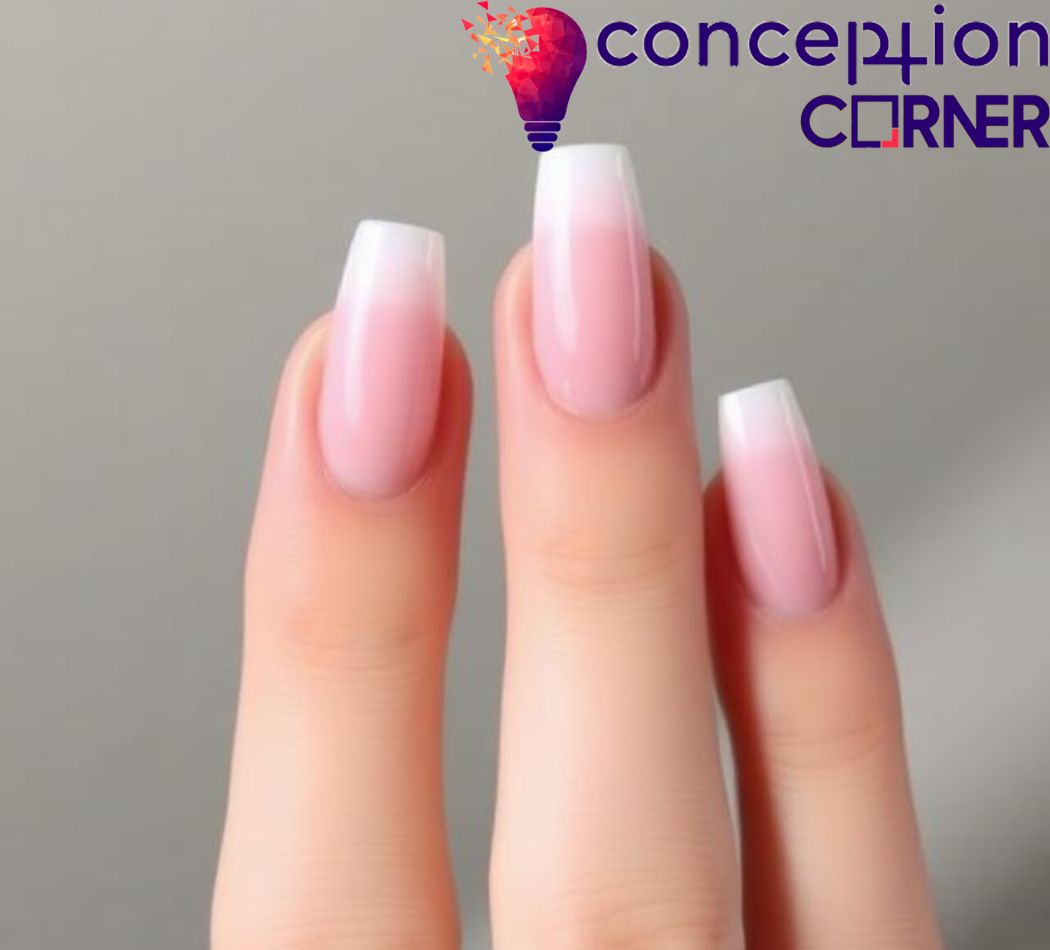
Picture this: You’ve just spent time and money on a beautiful gel manicure. The color is perfect, the shine is mirror-like, and you feel fabulous. Then, three days later, you’re opening a car door—and snap. There goes your thumbnail, right at the quick.
Sound familiar? If you’ve ever experienced this frustrating scenario, you’re not alone. Millions of people struggle with weak, brittle nails that break at the worst possible moments. Traditional gel polish offers shine and color but minimal protection. Acrylics provide strength but can feel heavy and damaging.
Enter builder gel: the nail enhancement that promises the best of both worlds. But what exactly is it, and could it be the solution you’ve been searching for? Let’s explore everything you need to know about this game-changing product.
What Is Builder Gel? The Technical Breakdown
Builder gel is a thick, durable polymer material designed specifically to strengthen natural nails and create structure. Unlike regular gel polish, which is applied thinly for color and shine, builder gel has a much thicker consistency that allows nail technicians—or adventurous at-home users—to sculpt and shape the nail.
According to San Diego nail artist Valeriia Telemaniuk, builder gel works like “protective armor for your nails” as it reinforces the natural nail, allows you to grow beautiful length, and maintains a polished, elegant look.
The Science Behind the Strength
Here’s where it gets interesting. Builder gel typically has a viscosity of approximately 350,000 centipoise—compare that to regular gel polish, which ranges from 25,000 to 100,000 centipoise. In plain English? It’s significantly thicker and more substantial.
This higher viscosity is what enables builder gel to:
-
Create a structural apex (the highest point of the nail) that prevents breakage
-
Fill in ridges and imperfections
-
Support natural nails as they grow
-
Resist chipping and cracking
How Builder Gel Works: Application Step by Step
The application process for builder gel is more involved than regular polish but less intensive than acrylics. Here’s what typically happens during a professional application:
1. Nail Preparation
Thorough prep is essential for longevity. The nail technician will:
-
Sanitize hands and nails
-
Push back and remove dead cuticle tissue
-
Gently file the nail plate to remove shine (using a 180-grit file)
-
Cleanse the nail thoroughly to remove any dust or debris
2. Base Layer Application
A thin layer of builder gel is applied and cured under a UV or LED lamp. This creates a foundation for the structure to come.
3. Building the Structure
This is where the magic happens. The technician applies a moderate amount of builder gel to the center of the nail, carefully building the apex and extending the product to create the desired shape and length. Each layer is cured individually.
4. Shaping and Refining
After curing, the nail is filed and buffed to achieve the perfect shape and smooth finish. This refinement ensures the builder gel looks natural and feels comfortable.
5. Finishing Touches
A top coat is applied and cured, then the nail is cleansed to remove the sticky inhibition layer.
Hard Gel vs. Soft Gel vs. BIAB: Decoding the Terminology
One of the most confusing aspects of builder gel is the terminology. Let’s break it down:
Hard Builder Gel
Hard gel cannot be soaked off with acetone—it must be filed off. This type is best for:
-
Creating longer extensions
-
Clients who want maximum durability
-
Nail technicians who prefer filing over soaking
Soft (Soak-Off) Builder Gel
Soft builder gel can be removed by soaking in acetone. This makes it more beginner-friendly and less risky for natural nail health.
BIAB (Builder in a Bottle)
You’ll often hear builder gel referred to as BIAB, but they’re not quite the same thing. BIAB is actually a trademarked name created by The Gel Bottle Inc that stands for “Builder in a Bottle”. It’s a specific type of soak-off builder gel that comes in a bottle with a brush, similar to regular nail polish.
As nail artist Bryony Howell explains, “BIAB is the trademark name,” while other popular builder gel formulas include Glitterbels’ “Brush On Builder Gel,” Gelish’s “Structure Gel,” and Glossify’s “Naturabuild”.
Builder Gel vs. Gel Polish: The Complete Comparison
Here’s the breakdown you’ve been waiting for. How does it actually compare to regular gel polish?
| Feature | Builder Gel | Gel Polish |
|---|---|---|
| Best For | Strength, nail health, shaping | Color, shine, quick manicures |
| Texture | Thick, sculptable | Thin, polish-like |
| Skill Level | Intermediate to professional | Beginner-friendly |
| Nail Condition | Weak, peeling, prone to breakage | Healthy, natural nails |
| Longevity | 3-4 weeks with proper care | Up to 14 days |
| Removal | Filing (hard gel) or soaking (soft gel) | Soaking only |
The Benefits of Builder Gel
Unmatched Durability
It is known for its robustness, making it less prone to chipping and breaking than regular gel polish. This durability makes it an excellent option for clients who struggle to grow their natural nails to a longer length.
Natural-Looking Strength
Unlike acrylics, which can look heavy, it creates a natural look while providing exceptional strength. It moves with your natural nail rather than feeling rigid and immovable.
Infill-Friendly
Unlike standard gel polish, it can be infilled. Most experts recommend soaking off and reapplying after approximately two infills to check on the health of the natural nail.
Versatile Solutions
It addresses multiple common nail concerns:
-
Nail biters: Creates a barrier that discourages biting
-
Brittle nails: Adds protective overlay that prevents splitting
-
Ridged nails: Smooths uneven surfaces
-
Soft nails: Provides structural support for weak natural nails
Who Is Builder Gel For?
It isn’t for everyone, but it’s a fantastic option for many.
Ideal Candidates
You’re a good candidate for it if you:
-
Have weak, peeling, or damaged natural nails
-
Want to grow your nails longer but they keep breaking
-
Work with your hands and need durable manicures
-
Want a natural-looking enhancement without acrylics
-
Are willing to invest time in proper application and removal
Who Should Consider Alternatives
It may not be suitable if you:
-
Have extremely thin, weak nails that need even sturdier products (like hard gel or acrygel)
-
Prefer quick, simple manicures with minimal commitment
-
Want to change nail colors frequently
As Grace Ricketts, owner of OK Cure Me salon, notes: “Some clients will require a sturdier product, such as hard gel or acrygel”.
Potential Drawbacks and Challenges
Time-Consuming Application and Removal
It takes longer to apply than regular gel polish, and removal can be equally time-consuming. The product takes more time to cure and break down during soaking.
Allergy Concerns
As with any gel product, there’s a risk of allergic reactions. Ingredients like HEMA, acrylates, methacrylate, and certain solvents can trigger reactions in some clients. The risk increases if the product comes into contact with skin or isn’t properly cured.
Not a Permanent Solution
While it strengthens nails while it’s on, it doesn’t permanently change your nail structure. Once removed, nails return to their natural state. As Dayna Green explains, “If someone has really thin, weak nails then it will help whilst the product is on, but as soon as the builder gel is removed, they will still have weak nails”.
DIY Builder Gel: Should You Try It at Home?
The trend toward DIY builder gel has exploded in recent years, but experts urge caution.
“The best results come from professional application,” explains Eunice Park, brand development and education director at Aprés Nail. “Builder gel in particular is an advanced skill when you’re building the structure into the nail, and it’s easy to flood the cuticle and sidewalls with gel”.
If you’re determined to try it at home:
-
Start with soft (soak-off) builder gel, which is more forgiving than hard gel
-
Practice on practice nails or forms before attempting on your own hands
-
Go slowly and focus on proper structure
-
Invest in quality products from reputable brands
-
Watch educational videos from professional nail artists
Future Trends in Builder Gel (2026 and Beyond)
The builder gel market continues to evolve rapidly. Several trends are shaping its future:
HEMA-Free Formulations
Concerns about gel allergies have led to increased development of HEMA-free builder gels. These formulations replace 2-Hydroxyethyl Methacrylate with alternative ingredients to reduce the risk of allergic reactions.
More Accessible Packaging
Brands are increasingly offering it in bottle-brush formats (like BIAB), making the product more accessible to home users while maintaining professional quality.
Expanding Color Ranges
It is moving beyond clear and nude tones. Brands are releasing it in a wide range of colors, allowing for one-step strength and color application.
Integration with Nail Health
Companies are increasingly focusing on itss that protect and improve natural nail health rather than just covering it. This includes formulations that are more flexible (to move with the natural nail) and gentler on the nail plate.
Professional Tips for Builder Gel Success
Industry experts shared their top advice for achieving flawless builder gel results:
Bryony Howell: “Work with one nail at a time and cure in between nails. This ensures flawless application and saves time—so you don’t have to refine after application”.
Grace Ricketts: “Regular nail health checks and use a fine brush to push and pull the builder gel into place”.
Dayna Green: “Work thinner—thicker nails don’t equal stronger. Also don’t push it too close to the cuticle, so you have a more seamless grow out”.
Key Takeaways
-
Builder gel is a thick, durable polymer that strengthens natural nails and can create length or structure
-
It lasts 3-4 weeks with proper application and care
-
It comes in hard (file-off only) and soft (soak-off) formulations
-
BIAB is a trademarked soft builder gel in a bottle, not a generic term for all builder gels
-
Builder gel is ideal for weak, brittle, or damaged nails but isn’t a permanent solution
-
Professional application is recommended, but soft builder gels can be used at home with practice
-
HEMA-free options are becoming more available for those concerned about allergies
-
Builder gel can be infilled (usually two fills before full removal)
Frequently Asked Questions
Q: Can builder gel damage my natural nails?
A: When applied and removed correctly, it actually protects natural nails by adding strength and reducing breakage. Problems typically arise from improper prep or removal, such as peeling the product off rather than properly soaking or filing.
Q: How long does builder gel last?
A: A properly applied it manicure can last two to four weeks without chipping, depending on nail growth rate, lifestyle, and care. Regular cuticle oil application helps maintain the manicure.
Q: Can I put gel polish over builder gel?
A: Absolutely! Many people use it as a strengthening base and apply gel polish on top for color and shine. Both products cure under the same LED or UV lamp.
Q: Is builder gel stronger than BIAB?
A: Pot builder gels (hard gels) are typically stronger than BIAB and better suited for long extensions. BIAB is ideal for overlays and strengthening natural nails, offering flexibility alongside strength.
Q: Can builder gel be used for nail extensions?
A: Yes, it can be used with nail forms to create short extensions. For longer extensions, some nail techs prefer acrylic or hard gel.
Q: Is builder gel suitable for nail biters?
A: Yes, it creates a strong protective overlay that can help discourage nail biting and allow natural nails to grow underneath.
Q: How is builder gel removed?
A: Removal method depends on the type. Hard builder gel must be filed off, while soft builder gel can be soaked off with acetone. Some technicians use an e-file for removal, but caution is needed to avoid over-filing natural nails.
Q: Can I use builder gel on toenails?
A: Yes, it can be used on toenails for added strength and structure, though it’s less common than fingernail application.
Q: What’s the difference between builder gel and acrylic?
A: It is more flexible than acrylic and moves with the natural nail, while acrylic cures more rigid. It also requires curing under a UV/LED lamp, whereas acrylic hardens through a chemical reaction.
Sources
-
Nouveau Beauty – “We Tried Out Builder Gel”
-
NewBeauty – “Builder Gel 101: Everything You Need to Know”
-
Harper’s BAZAAR – “Is Builder Gel Actually Worth It?”
-
Makeup.com – “Everything You Need to Know About Builder Gel”
-
Professional Beauty – “The ultimate guide to builder gel nail services”
-
Pluricosmetica – Kelly K Builder Gel product information
-
Salon First – CND Plexigel information
-
Kirsty Meakin – Sculptify Builder Gel FAQ
-
Salons Direct – Builder Gel Guide
-
14 Day Manicure – “Builder Gel vs. Gel Polish”
-
Scratch Magazine – “Gel nails: Why you need to know about viscosity”
-
Belle Beauty – “BIAB vs Builder Gel vs Gel Polish”