
 By concept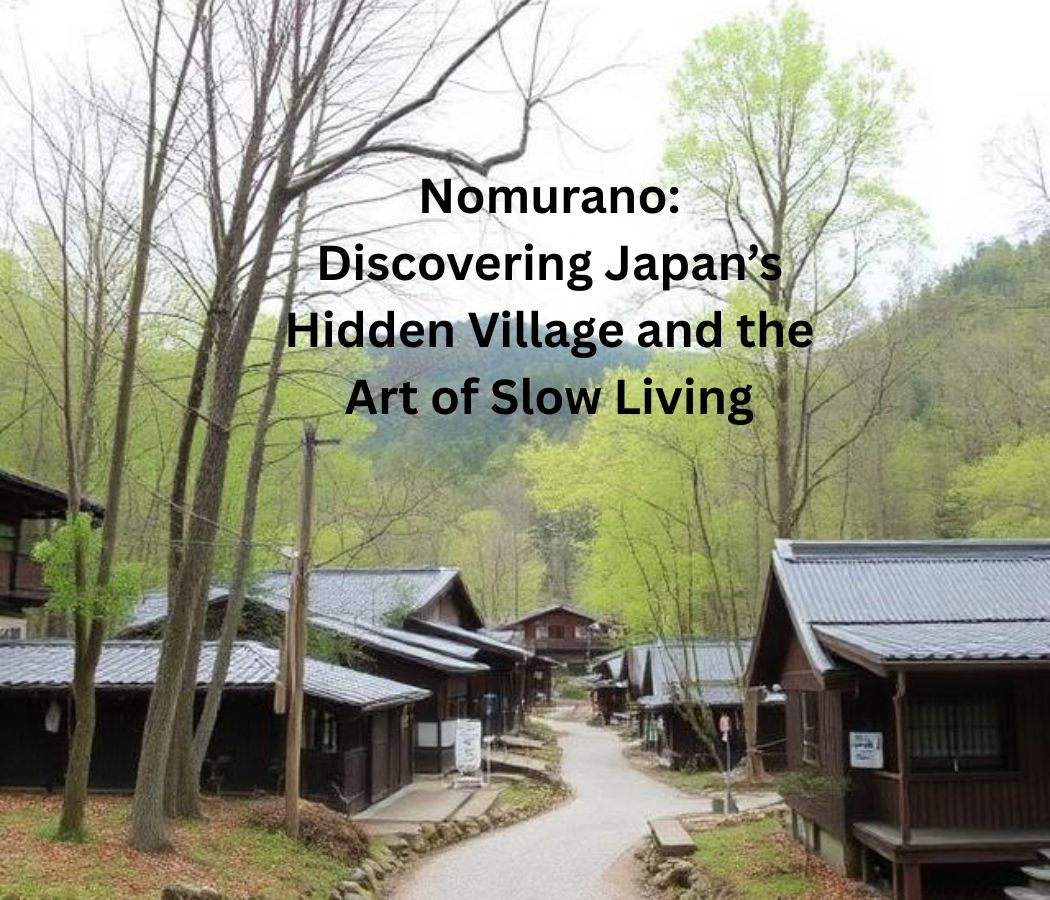
There are places in this world that exist just outside the spotlight—destinations that don’t clamor for attention but instead wait patiently for the right traveler to discover them.
Nomurano is one such place.
Depending on where you encounter the term, you might think Nomurano is a secret village in the Japanese mountains, a new minimalist lifestyle brand, or a philosophy for digital detox. The truth? It might just be all three.
In this article, we are going to peel back the layers of Nomurano. We will explore the tranquil, real-life hamlet tucked away in rural Japan, and then dive into the global lifestyle movement it has inspired. If you are feeling overwhelmed by the hustle of modern life, this guide is your first step toward finding peace.
Part 1: The Hidden Gem of Japan
What is Nomurano (The Place)?
Forget Tokyo’s neon lights and Kyoto’s crowded temples for a moment. Nomurano is the Japan that doesn’t appear in the brochures.
It is a small, almost forgotten village nestled deep in the mountain ranges of northern Honshu. To call it a “tourist destination” would be inaccurate; rather, it is a living, breathing museum of traditional Japanese life. Reaching Nomurano requires dedication—a winding road through cedar forests and a small bus that makes only two trips a day.
“Where time slows down and Japan’s soul still lingers.”
That is how visitors describe it. In Nomurano, the modern world feels distant. The air smells of moss, burned wood, and rice paddies. It is not a place for excitement; it is a place for being.
The Vibe: Silence, Cedars, and Soba
When you arrive in Nomurano, the first thing that hits you is the silence. Not an eerie, empty silence, but a natural symphony of running river water, wind through bamboo, and birdsong.
-
The Soba Shop: In the center of the village, next to an old shrine, you will find a small soba shop run by a man named Nakamura-san. He makes the noodles by hand every morning. Eating there isn’t just a meal; it is a ritual. You sit on wooden floors, slurp cold noodles dipped in broth, and listen to the stories of how the village used to echo with the sounds of festival drums.
-
The Ancient Cedars: The village is surrounded by sugi (cedar) trees that are centuries old. Walking the narrow paths, you will find moss-covered stone altars with offerings of rice and sake—reminders that the Shinto spirits (kami) are very much alive here.
Why Travelers Are Drawn Here
We live in the age of “burnout.” Nomurano offers a cure. It appeals to the traveler who is tired of checking items off a list. Here, the bus is never on time, and the rain might keep you indoors for hours—but that is the point.
Traveler’s Tip: July is a magical time to visit. If you are respectful, you might witness the local festival where children run with paper lanterns and old men play drums that shake the valley.
Part 2: The Philosophy of Intentional Living
Interestingly, while searching for the physical village, you might find that Nomurano has taken on a second life online.
In 2025 and 2026, “Nomurano” has emerged as a trending concept representing mindful minimalism. But unlike the cold, stark version of minimalism you might know (white walls and empty rooms), the Nomurano lifestyle is warm, soft, and deeply human.
What is the Nomurano Lifestyle?
If we treat “Nomurano” as a philosophy, it is the bridge between Scandinavian Hygge (coziness) and Japanese Zen (simplicity).
It is about creating a life that feels as calm as that hidden village in the mountains. It rejects the “hustle culture” and the pressure to optimize every second of your day.
The Core Principles
-
Intentional Space: Your home should be a sanctuary. Nomurano design favors earthy tones—creamy whites, sandy beiges, olive greens. It values texture (linen, wood, clay) over clutter.
-
Slow Consumption: This movement asks, “Does this add peace to my life?” If not, it doesn’t belong. It promotes buying fewer things, but buying better things—items that are sustainable, ethical, and made to last.
-
Digital Serenity: Nomurano extends to your phone. It advocates for digital minimalism: curating your social feeds, muting the noise, and redefining your relationship with technology to serve you, not distract you.
Nomurano vs. Minimalism: What is the Difference?
Traditional Minimalism can sometimes feel sterile. It is about the number of things you own. Nomurano is about the feeling those things give you.
| Feature | Traditional Minimalism | Nomurano (The Lifestyle) |
|---|---|---|
| Aesthetic | Stark, white, industrial | Warm, earthy, textured |
| Goal | Remove excess | Curate peace |
| Vibe | “Less is more.” | “Enough is a feast.” |
Part 3: How to Bring Nomurano into Your Daily Life
You might not be able to book a flight to the rural Japanese village tomorrow, but you can start living the Nomurano mindset today.
Here is your practical checklist for a softer, simpler life:
1. Clear One Drawer (Start Tiny)
You don’t need to rent a dumpster. Nomurano is about gentle shifts. Clear one drawer, one shelf, or one app off your phone. Just remove one thing that creates static.
2. Embrace “The Golden Hour”
In the village of Nomurano, the sunlight angles beautifully through the trees. At home, wake up 15 minutes earlier to sip your tea without looking at a screen. Let the morning come to you slowly.
3. The “Does This Spark Peace?” Test
Marie Kondo asked if items spark joy. The Nomurano way asks if they spark peace. If your new sofa makes you anxious because you might stain it, or your phone notifications make your heart race—remove them.
4. Cook with Presence
Nomurano cuisine is not about complexity; it is about freshness. Try making a simple bowl of noodles or a stew with seasonal vegetables. Sit down at a table. Eat slowly. That is the Nomurano way.
Part 4: The Future of Nomurano
Is this just a trend?
While “Nomurano” is certainly gaining traction on TikTok and Pinterest (look for hashtags like #NomuranoVibes and #SoftMinimalism), its roots run deep. It is a response to our current moment of information overload and environmental anxiety.
Whether you are seeking the literal Nomurano to heal from travel burnout, or adopting the Nomurano lifestyle to heal from daily stress, the destination is the same: A return to what matters.
Final Thoughts
Nomurano is more than a word. It is a feeling.
Taste buckwheat noodles in a wooden house as an old man tells stories of fireflies. Feel the texture of linen curtains blowing in a breeze. Make the choice to put your phone in a drawer and simply listen to the rain.
In a world that screams for your attention, Nomurano whispers, “Rest here.”
Are you ready to slow down?
Frequently Asked Questions (FAQs)
1. Is Nomurano a real place in Japan?
Yes, there is evidence of a rural, tranquil area referred to as it in the northern mountains of Honshu, known for its cedar forests and traditional soba shops. However, the term has also evolved into a broader lifestyle concept.
2. How is Nomurano different from Hygge?
Hygge is specifically about coziness (candles, blankets, friends). It is broader, encompassing minimalism, design, digital detox, and a philosophical approach to slowing down time.
3. How can I decorate my home in Nomurano style?
Focus on natural materials (wood, stone, linen), a neutral color palette (beige, off-white, soft green), and functional decor. Only keep items that serve a purpose or bring you genuine peace.
4. Is the Nomurano lifestyle expensive?
It doesn’t have to be. While it champions ethical, high-quality goods, the core of it is buying less. It is about saving up for one good chair rather than buying three cheap ones, and finding joy in free activities like walking in nature.