
 By concept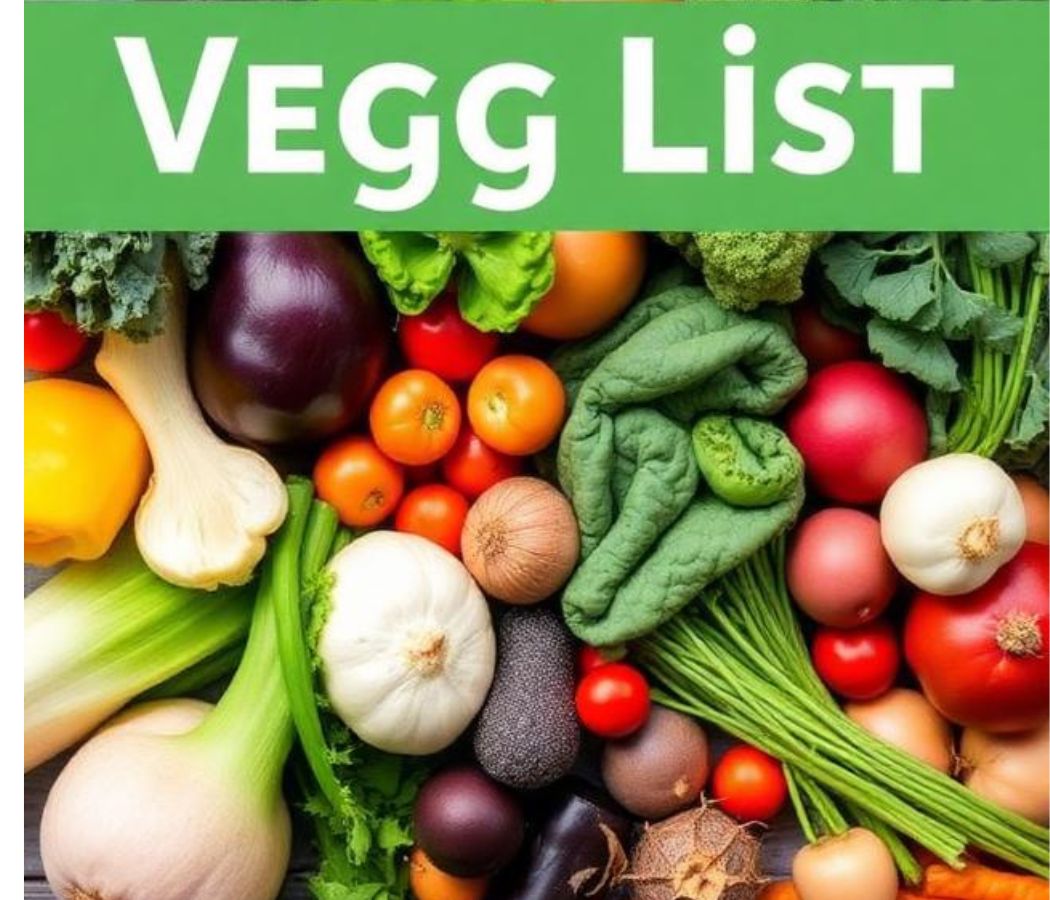
Let’s be honest: eating more vegetables feels great—until you’re standing in the grocery aisle trying to remember what you actually need. That is where a solid Vegg List changes the game.
Whether you are a full-time vegan, a flexitarian, or just trying to add one meatless day per week, having a master list keeps you organized, saves money, and stops food waste. Below is the definitive Vegg List broken down by color, nutrient, and cooking method.
Why You Need a Vegg List (Not Just a Grocery List)
Most people buy the same three vegetables (broccoli, spinach, potatoes) and get bored. A strategic Vegg List does three things:
-
Maximizes nutrients (eating the rainbow = better gut health).
-
Saves time (no more Googling “what veggie goes with pasta” at 6 PM).
-
Reduces waste (you buy only what you have a plan for).
The Master Vegg List: 40+ Vegetables Categorized
Print this section or save it to your phone notes. This is your core Vegg List.
Leafy Greens (The Nutrient Powerhouses)
-
Kale (curly or lacinato)
-
Spinach
-
Arugula
-
Romaine
-
Swiss chard
-
Collard greens
-
Butter lettuce
Cruciferous Crunch (High in Fiber & Cancer-fighting compounds)
-
Broccoli
-
Cauliflower (white, purple, orange)
-
Brussels sprouts
-
Cabbage (green, red, napa)
-
Bok choy
-
Radishes
-
Turnips
Root Veggies (Hearty & Filling)
-
Carrots
-
Sweet potatoes
-
Russet potatoes
-
Beets
-
Parsnips
-
Celery root (celeriac)
-
Ginger (technically a rhizome, but a Vegg List staple)
The Nightshade Family (Great for Sauces & Roasts)
-
Tomatoes (yes, botanically a fruit—culinary veggie)
-
Bell peppers (red, yellow, orange, green)
-
Eggplant
-
Jalapeños / poblano peppers
Squash & Gourds (Seasonal Stars)
-
Zucchini
-
Yellow summer squash
-
Butternut squash
-
Acorn squash
-
Spaghetti squash
-
Pumpkin
Alliums (The Flavor Foundation)
-
Onions (red, white, yellow)
-
Shallots
-
Leeks
-
Scallions (green onions)
-
Garlic
How to Build a Balanced Vegg List for 7 Days
Don’t just buy random vegetables. Use this formula for your weekly Vegg List:
-
2 types of leafy greens (e.g., spinach + kale)
-
3 roasting veggies (e.g., broccoli, sweet potato, cauliflower)
-
2 salad or raw veggies (e.g., bell peppers + cucumber)
-
1 allium (onions or garlic)
-
1 wildcard (something new—try kohlrabi or fennel)
Sample weekly Vegg List:
-
Spinach (for smoothies & pasta)
-
Kale (for roasted “chips” and salads)
-
Broccoli (for stir-fry and sheet pan meals)
-
Sweet potatoes (for breakfast hash and bowls)
-
Red bell peppers (for snacking and fajitas)
-
Red onion (for pickling and tacos)
-
Garlic (for everything)
High-Protein Vegg List (For Muscle & Satiety)
If you hear “but where do you get protein?”—share this Vegg List:
-
Edamame (17g protein per cup)
-
Lentils (18g per cup – yes, legumes count!)
-
Chickpeas (15g per cup)
-
Green peas (8g per cup)
-
Artichoke hearts (4g each)
-
Spinach (5g per cooked cup)
-
Broccoli (4g per cup)
Storage Hacks to Make Your Vegg List Last
A great Vegg List is useless if it rots in three days. Follow these rules:
-
Keep mushrooms in a paper bag (not plastic).
-
Wrap leafy greens in a dry towel inside the produce drawer.
-
Store tomatoes on the counter (never in the fridge).
-
Keep onions and potatoes far apart (they make each other sprout).
-
Trim carrot tops before refrigerating (the greens suck moisture from the root).
5 Easy Meals From Any Basic Vegg List
Your Vegg List should empower you, not intimidate you. Here is what you can make with the sample list above:
-
Sheet Pan Dinner: Toss broccoli, sweet potatoes, and red onion with olive oil + garlic. Roast at 425°F for 20 min.
-
Green Smoothie: Spinach + frozen banana + almond milk.
-
Veggie Tacos: Sauté bell peppers + onion. Serve on corn tortillas with black beans.
-
Kale Salad: Massage kale with lemon juice, add chickpeas and roasted sweet potato.
-
Stir-fry: Broccoli, bell pepper, edamame, and garlic over rice.
Free Printable: The One-Page Vegg List PDF (Simulated)
For your blog, replace this text with a Canva or PDF download link.
Download the free printable Vegg List checklist – includes a 30-item master list, storage chart, and weekly meal planning grid.
Final Bite
A great Vegg List isn’t about perfection. It’s about having the right plants on hand so that eating well becomes the easy choice. Start with the 7-day sample above, then customize based on what’s seasonal and on sale.
Frequently Asked Questions (FAQs) About the Vegg List
1. What exactly is a “Vegg List”?
A Vegg List is simply a structured, categorized grocery list focused entirely on vegetables and plant-based foods. Unlike a random mental note (“buy some greens”), a proper Vegg List organizes produce by type (leafy greens, roots, cruciferous, etc.), cooking method (roasting, steaming, raw), or nutrient density. It helps you shop efficiently, avoid impulse buys, and ensure you have variety throughout the week.
Think of it as your meal prep foundation—not just a list, but a strategy.
2. How many vegetables should be on my weekly Vegg List?
For one person eating vegetables at 2–3 meals per day: 8 to 12 different vegetables per week is ideal.
For a family of four: 12 to 18 different vegetables.
Why not more? Buying 20+ different veggies often leads to spoilage. The sweet spot is 8–12 items that overlap across multiple meals. For example:
-
Spinach works in smoothies, omelets, pasta, and salads.
-
Broccoli works in stir-fries, sheet pan dinners, soups, and casseroles.
Pro tip: Start with 8 vegetables from the master list above, then add 1 new vegetable each week to expand your palate without wasting food.
3. Can I include fruits on my Vegg List?
Technically, no—a Vegg List is for vegetables. But in practical meal planning, many people include culinary vegetables that are botanically fruits (tomatoes, bell peppers, eggplant, zucchini, cucumbers, avocados, and winter squash).
For true fruits (bananas, apples, berries, oranges), keep a separate fruit list. Mixing them often leads to storage conflicts (e.g., apples release ethylene gas that wilts leafy greens).
However, if you are a smoothie drinker, feel free to add a “Smoothie Veggies” section to your Vegg List that includes frozen bananas or mangoes—but label it clearly.
4. What is the best Vegg List for weight loss?
Focus on high-volume, low-calorie density vegetables that keep you full without excess calories. Your weight-loss Vegg List should emphasize:
| Category | Best Choices | Why |
|---|---|---|
| Leafy greens | Spinach, kale, arugula, lettuce | Very low calories, high water & fiber |
| Cruciferous | Broccoli, cauliflower, cabbage | High fiber, takes long to chew |
| Cucurbits | Zucchini, cucumber, summer squash | Over 95% water |
| Celery & fennel | Celery stalks, fennel bulb | Natural diuretics, crunchy satisfaction |
Avoid overloading on: Potatoes, corn, peas, and winter squash (butternut/acorn)—they are healthy but more calorie-dense. Eat them in moderation (⅓ of your plate or less).
Sample weight-loss daily Vegg List portion:
-
Breakfast: 2 cups spinach (in smoothie or omelet)
-
Lunch: 3 cups mixed greens + cucumber + bell peppers
-
Dinner: 2 cups roasted broccoli or cauliflower
-
Snack: Celery sticks or raw zucchini rounds
5. How do I keep my Vegg List from going bad quickly?
Great question—food waste is the #1 reason people abandon their Vegg List. Use these storage rules:
1st Rule: Never wash before storing (moisture = mold). Wash right before eating.
2nd Rule: Separate ethylene producers from sensitive veggies.
-
Ethylene producers (keep away): Apples, bananas, tomatoes, avocados, melons.
-
Sensitive veggies: Leafy greens, broccoli, cucumbers, peppers, carrots.
3rd Rule: Use the right storage spot for each veggie:
| Vegetable | Storage Method | Lifespan |
|---|---|---|
| Leafy greens | In fridge drawer, wrapped in dry paper towel inside a perforated bag | 5–7 days |
| Broccoli, cauliflower | Fridge, loose in crisper drawer (not sealed bag) | 5–7 days |
| Carrots, beets | Fridge, submerged in water (change every 4 days) | 2–3 weeks |
| Potatoes, onions, garlic | Cool, dark, dry pantry (not fridge) | 1–2 months |
| Tomatoes | Countertop, stem-side down | 5–7 days |
| Mushrooms | Fridge, in paper bag (never plastic) | 5–7 days |
| Herbs (cilantro, parsley) | Fridge, stems in water like flowers, loose bag over leaves | 7–10 days |
4th Rule: Prep what you can on shopping day. Chop carrots, bell peppers, and celery immediately and store in airtight containers. You will eat them 3x faster when they are ready to grab.
6. Can I freeze vegetables from my Vegg List?
Absolutely. Freezing extends your Vegg List by months. However, blanch first (boil 1–3 minutes, then ice bath) for most vegetables to preserve color, texture, and nutrients.
Best vegetables to freeze:
-
Broccoli, cauliflower, Brussels sprouts (blanch 3 min)
-
Green beans, peas, corn (blanch 2 min)
-
Spinach, kale (blanch 1 min, squeeze dry)
-
Bell peppers, onions (blanch not required, just chop and freeze)
-
Zucchini, summer squash (blanch 1 min, great for soups)
Vegetables that freeze poorly:
-
Lettuce, cucumbers, radishes, celery (become mushy and watery)
-
Whole tomatoes (ok for sauces, terrible raw)
-
Potatoes (turn gritty unless partially cooked)
Pro tip: Freeze vegetables flat on a baking sheet for 2 hours (flash freeze), then transfer to bags. This prevents one giant ice block.
7. What’s a low-carb Vegg List for keto or diabetic diets?
For low-carb or ketogenic eating, avoid starchy vegetables (potatoes, corn, peas, parsnips, winter squash, beets, carrots in large amounts). Focus on non-starchy options:
Best low-carb Vegg List (under 5g net carbs per serving):
-
Leafy greens (spinach, kale, arugula, lettuce, Swiss chard)
-
Cruciferous (broccoli, cauliflower, cabbage, Brussels sprouts)
-
Celery, cucumber, zucchini
-
Asparagus, green beans
-
Mushrooms, radishes
-
Bell peppers (small amounts)
-
Eggplant, okra
Veggies to eat sparingly (small portions):
-
Onions, garlic, leeks (flavorful but higher carb)
-
Carrots (limit to shredded as garnish)
-
Tomatoes (½ cup max per meal)
Sample low-carb daily Vegg List:
-
Breakfast: 2 cups spinach cooked into eggs
-
Lunch: Large salad with romaine, cucumber, bell pepper, olives
-
Dinner: 2 cups roasted cauliflower + 1 cup sautéed zucchini
8. How do I build a Vegg List for a family with picky eaters?
Do not force the master list on them. Use the “one-bite rule” + bridge foods method.
1st Step: Identify 3 vegetables they already tolerate (e.g., corn, potatoes, carrots).
2nd Step: Bridge to similar but different textures/flavors:
-
Corn → sweet peas → edamame
-
Potatoes → sweet potatoes → parsnips
-
Carrots → roasted butternut squash → pumpkin
3rd Step: Include hidden veggie options on your family Vegg List:
-
Cauliflower rice (mix 50/50 with regular rice)
-
Zucchini shredded into meatballs or pasta sauce
-
Spinach blended into smoothies or pesto
-
Carrot purée into mac & cheese (trust me)
4th Step: Let each family member pick 1 vegetable for the weekly Vegg List. They are more likely to eat what they chose.
Never do: Banish all “fun” foods. A sustainable family Vegg List includes potatoes and corn alongside kale and broccoli.
9. Is canned or frozen produce allowed on a Vegg List?
Yes—and often smarter than fresh.
| Form | Best For | Watch Out For |
|---|---|---|
| Frozen | Out-of-season veggies, smoothies, soups, stir-fries | No added sauces or salt (check labels) |
| Canned | Tomatoes, corn, beans, pumpkin, artichokes | BPA linings, added sodium, added sugar |
| Fresh | Salads, roasting, snacking raw | Shorter shelf life, seasonal availability |
Pro tip: A great Vegg List includes all three forms. Buy fresh for what you will eat in 3 days, frozen for backup meals, and canned for pantry staples (diced tomatoes, chickpeas).
Cost comparison: Frozen vegetables are often 30–50% cheaper than fresh out-of-season produce, with equal or higher nutrient content (flash-frozen at peak ripeness).
10. How do I save money on my weekly Vegg List?
Vegetable budgets can balloon if you are not careful. Use these tactics:
-
Buy seasonal. Asparagus in April (2/lb)vs.January(6/lb). Check a seasonal chart for your region.
-
Shop frozen for everything except salad greens. Frozen broccoli is always cheap and ready to roast.
-
Root vegetables are your budget heroes. Carrots, potatoes, onions, and cabbage cost 0.50–1.50 per pound year-round.
-
Buy whole, not pre-cut. Pre-cut butternut squash costs 3x more than whole. Spend 5 minutes with a sharp knife.
-
Use the “ugly produce” section. Many grocery stores sell “imperfect” peppers, apples, and potatoes at 30% off.
-
Grow your own herbs and greens. A 3packetoflettuceseedsyields50+ worth of salad over 3 months.
-
Never shop hungry — impulse veggie buys (looking at you, $8 jar of sundried tomatoes) happen on an empty stomach.
Sample budget weekly Vegg List (under $20):
-
3 lb potatoes ($2.50)
-
2 lb carrots ($1.50)
-
1 head cabbage ($2.00)
-
1 bag frozen spinach ($2.00)
-
2 lb frozen broccoli ($3.50)
-
1 bunch kale ($2.00)
-
2 onions ($1.00)
-
1 head garlic ($0.75)
-
1 can diced tomatoes ($1.50)
-
Total: ~$16.75
11. What vegetables should I avoid if I have IBS or digestive issues?
If you suffer from irritable bowel syndrome (IBS) or frequent bloating, some vegetables on your Vegg List may cause trouble. These are high in FODMAPs (fermentable carbohydrates).
High-FODMAP veggies to limit or avoid:
-
Onions and garlic (worst triggers for many)
-
Cauliflower, broccoli (in large amounts)
-
Asparagus, artichokes
-
Mushrooms
-
Snow peas, sugar snap peas
-
Cabbage (especially raw)
Low-FODMAP veggies (gentle on gut):
-
Spinach, kale, arugula, lettuce
-
Bell peppers, cucumber
-
Carrots, parsnips
-
Zucchini, yellow squash
-
Eggplant, green beans
-
Potatoes (no skins if sensitive)
-
Tomatoes (canned or fresh)
Pro tip: If you have IBS, work with a dietitian to do a proper low-FODMAP elimination, then slowly reintroduce one vegetable at a time. Many people can tolerate small amounts of onion or garlic powder (infused oil is often safer).
12. Can I use the same Vegg List for juicing?
Yes, but your juicing Vegg List looks very different from a whole-food cooking list. Juicing extracts water and nutrients but removes fiber. You will need larger quantities because juicing reduces volume dramatically (5 lbs of carrots = ~16 oz juice).
Best vegetables for juicing:
-
Celery, cucumber (high water, mild flavor)
-
Carrots, beets (sweetness, color)
-
Kale, spinach, Swiss chard (nutrient-dense)
-
Fennel, ginger, turmeric (flavor boosters)
-
Bell peppers, tomatoes (juicy, vitamin C)
Vegetables to avoid in juice:
-
Broccoli, cauliflower, Brussels sprouts (bitter, gassy when raw)
-
Potatoes, sweet potatoes (starchy, better cooked)
-
Onions, garlic (overpowering raw flavor)
Warning: Juicing removes fiber, so your veggie intake should still include whole vegetables from your main Vegg List. Do not replace meals with juice unless under medical supervision.
13. How often should I update my Vegg List?
Update your Vegg List every 7 days before you grocery shop. However, you should rotate the contents seasonally:
-
Spring (March–May): Asparagus, peas, artichokes, radishes, fennel, arugula
-
Summer (June–August): Zucchini, tomatoes, corn, bell peppers, eggplant, green beans
-
Fall (September–November): Broccoli, cauliflower, Brussels sprouts, sweet potatoes, kale, pumpkins
-
Winter (December–February): Cabbage, leeks, parsnips, winter squash, collard greens, citrus (not a veggie, but relevant)
Pro tip: Keep a “master Vegg List” of 40+ vegetables (the one above) and a “weekly shortlist” of 8–12. Simply copy-paste from the master to the shortlist each Sunday.
14. What if I don’t like salad? Can I still use a Vegg List?
Absolutely. Salad is just one delivery method. Your Vegg List can focus on warm vegetable preparations:
-
Roasting (sheet pan dinners, veggie bowls)
-
Sautéing (stir-fries, fajitas, pasta add-ins)
-
Steaming (dumpling fillings, side dishes)
-
Blending (creamy soups, sauces, smoothies)
-
Grilling (kebabs, veggie steaks)
-
Pickling (quick refrigerator pickles for tacos)
Sample no-salad Vegg List:
-
Roasting night: Sweet potatoes, Brussels sprouts, red onion
-
Stir-fry night: Broccoli, bell peppers, snap peas, carrots
-
Soup night: Butternut squash, carrots, celery, kale
-
Pasta night: Zucchini, mushrooms, spinach, cherry tomatoes
You never have to eat a cold, raw leaf to be a vegetable lover.
15. Can I get a printable PDF of the Vegg List?
Yes! For the complete printable Vegg List (including a blank weekly planner, storage chart, and 50+ vegetable checklist), click here to download the free PDF [link to your downloadable file].