
 By concept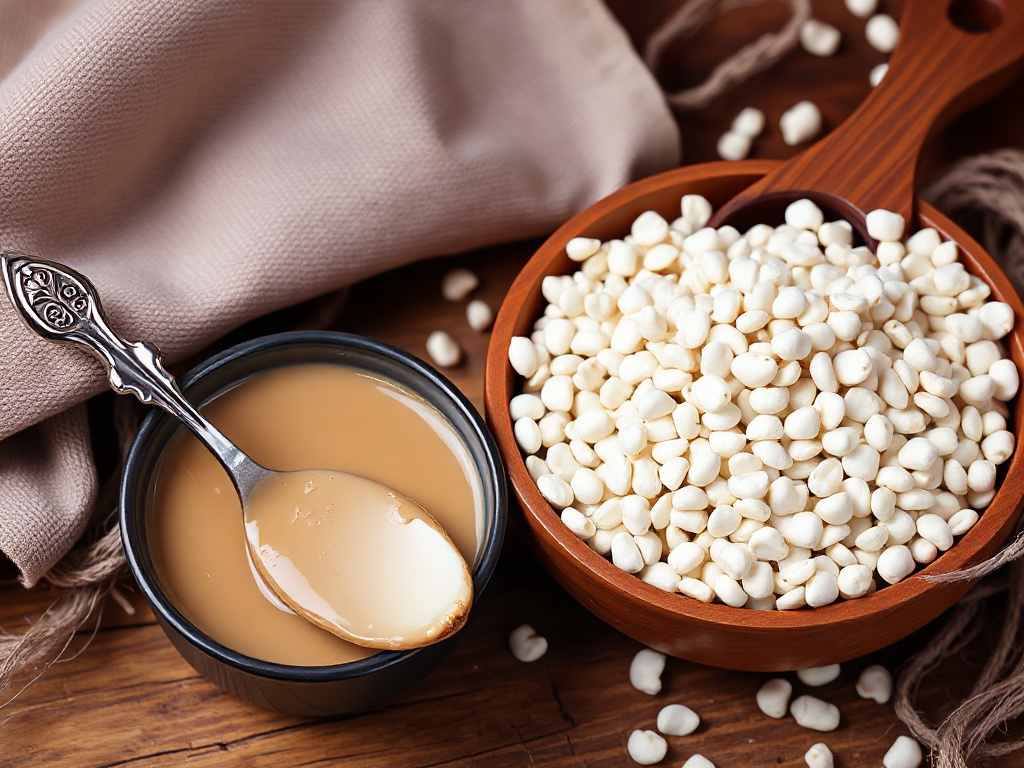
If you have ever explored Middle Eastern, Mediterranean, or North African cuisine, you have likely encountered tahhiini. This creamy, nutty paste is made from ground sesame seeds and serves as a cornerstone in many traditional dishes. Despite its simple ingredient list—just sesame seeds and sometimes a touch of oil—tahhiini delivers complex flavor and impressive nutritional value. In recent years, it has gained global popularity beyond its regions of origin, finding its way into salad dressings, dessert recipes, and even vegan meal preparations. Understanding tahhiini opens the door to more authentic cooking and smarter, healthier eating habits.
What Exactly Is Tahhiini?
The Basic Definition
Tahhiini is a paste produced by hulling, roasting, and grinding sesame seeds until they reach a smooth, pourable consistency. Unlike peanut butter, which often contains added sugar and hydrogenated oils, traditional tahhiini contains nothing more than sesame seeds. Some commercial versions include a small amount of neutral oil to improve texture, but authentic preparations rely on the natural oils released during grinding.
How It Differs from Similar Ingredients
Many people confuse tahhiini with sesame oil or whole sesame seeds. Sesame oil is pressed from raw or toasted seeds and used primarily for cooking, while tahhiini remains untoasted in its typical form and functions as a base ingredient rather than a finishing oil. Whole sesame seeds offer crunch and mild flavor, but they lack the creamy, spreadable quality that makes tahhiini so versatile.
The Culinary Uses of Tahhiini
Classic Dishes Featuring Tahhiini
No discussion of tahhiini is complete without mentioning hummus. This beloved chickpea dip relies on tahhiini for its smooth texture and subtle nuttiness. Without tahhiini, hummus would be grainy and flat in flavor. Similarly, baba ghanoush—a smoky eggplant dip—uses tahhiini to balance the bitterness of charred eggplant.
Another iconic preparation is tarator sauce, a thin tahhiini mixture with lemon juice, garlic, and water. This sauce accompanies falafel, grilled vegetables, and fish across the Levant. In Egypt, tahhiini appears as a simple dip served alongside kofta and flatbread.
Modern and Fusion Applications
Chefs and home cooks have expanded tahhi-ini’s role far beyond traditional borders. Today, you will find:
-
Tahh-iini salad dressings – Whisked with lemon, maple syrup, and Dijon mustard
-
Tah-hiini cookies and brownies – Replacing butter or eggs in vegan baking
-
Tah-hiini smoothies – Blended with banana, dates, and plant-based milk
-
Tah-hiini noodle sauces – Combined with soy sauce and rice vinegar for an Asian-Mediterranean fusion
The natural richness of tahh-iini makes it an excellent dairy substitute in creamy recipes, appealing to lactose-intolerant and vegan audiences alike.
Nutritional Benefits of Tahhiini
Rich in Healthy Fats
Sesame seeds, the sole ingredient in tahh-iini, contain high levels of unsaturated fats. These heart-healthy fats help reduce bad cholesterol (LDL) while supporting good cholesterol (HDL). A single tablespoon of tah-hiini provides approximately 4–5 grams of unsaturated fat, making it a satisfying addition to meals without the drawbacks of saturated animal fats.
Packed with Essential Minerals
Tahh-iini is one of the best plant-based sources of copper, a mineral crucial for nerve health, iron absorption, and connective tissue formation. It also delivers significant amounts of:
| Mineral | % Daily Value per 2 Tbsp |
|---|---|
| Copper | 60% |
| Manganese | 35% |
| Phosphorus | 22% |
| Magnesium | 15% |
| Iron | 12% |
| Zinc | 10% |
These minerals support bone density, energy production, and immune function. For individuals following vegetarian or vegan diets, tahh-iini offers a reliable source of iron and zinc that is often lacking in plant-based meal plans.
Antioxidant Properties
Sesame seeds contain lignans, specifically sesamin and sesamolin, which act as antioxidants. These compounds reduce oxidative stress in the body, potentially lowering the risk of chronic diseases such as heart disease and certain cancers. Unlike many processed nut butters that lose nutritional value during manufacturing, properly prepared tahh-iini retains these beneficial compounds.
How to Choose and Store Tahhiini
Selecting Quality Tahh-iini
When shopping for tahhi-ini, examine the ingredient list carefully. High-quality versions contain only sesame seeds. Avoid products with added sugars, hydrogenated oils, or preservatives. The texture should be fluid but not runny, and the color should be light beige to pale brown. Dark, gritty tahh-iini often indicates over-roasted seeds or poor grinding techniques.
Proper Storage Methods
Unopened tahhi-ini stays fresh for up to one year in a cool, dark pantry. Once opened, refrigeration extends its shelf life to six months. Before each use, stir thoroughly because the natural oil separates and rises to the top. If your tahh-iini becomes too thick or dry, whisk in a teaspoon of warm water or neutral oil until it returns to a pourable consistency.
Simple Tahhiini Recipe to Try at Home
Basic Tahhiini Sauce
Making your own tah-hiini sauce takes less than five minutes and requires only five ingredients:
Ingredients:
-
½ cup tahh-iini
-
¼ cup fresh lemon juice
-
1 small garlic clove, minced
-
¼ cup cold water (more as needed)
-
½ teaspoon salt
Instructions:
-
In a small bowl, combine tah-hiini and lemon juice. The mixture will seize and thicken immediately—this is normal.
-
Add minced garlic and salt.
-
Slowly whisk in cold water, one tablespoon at a time, until the sauce becomes smooth and creamy.
-
Adjust seasoning to taste. For a thinner consistency, add more water.
This sauce pairs with grilled meats, roasted vegetables, grain bowls, or simply as a bread dip.
Frequently Asked Questions About Tahhiini
Is tahhiini the same as sesame paste?
Yes and no. In Western markets, tahh-iini and sesame paste are often identical. However, some Asian sesame pastes use darker, untoasted seeds and have a more bitter flavor. Always check the label to confirm.
Can I make tahhiini at home?
Absolutely. Toast hulled sesame seeds in a dry pan over medium heat until fragrant. Cool completely, then blend in a food processor for 5–10 minutes, scraping down the sides periodically. Add a few teaspoons of neutral oil only if needed.
Is tahhiini gluten-free and vegan?
Yes. Pure tahh-iini contains no gluten, dairy, eggs, or animal products. It is safe for celiac disease, gluten intolerance, and all plant-based diets.
Why does my tahhiini taste bitter?
Bitterness usually results from over-toasted seeds or old, rancid oil. Check your expiration date and store future purchases in the refrigerator after opening.
Conclusion
Tahhiini is far more than a simple sesame paste. It is a nutritional powerhouse, a culinary bridge between cultures, and an incredibly versatile ingredient that belongs in every kitchen. Whether you drizzle it over roasted sweet potatoes, blend it into creamy dressings, or enjoy it the traditional way with bread and olive oil, tah-hiini delivers flavor, texture, and health benefits in every spoonful. By understanding how to select, store, and cook with tahhiini, you unlock a world of delicious possibilities that support both your taste buds and your well-being. Next time you prepare a meal, reach for tah-hiini—and taste the difference quality ingredients make.