
 By concept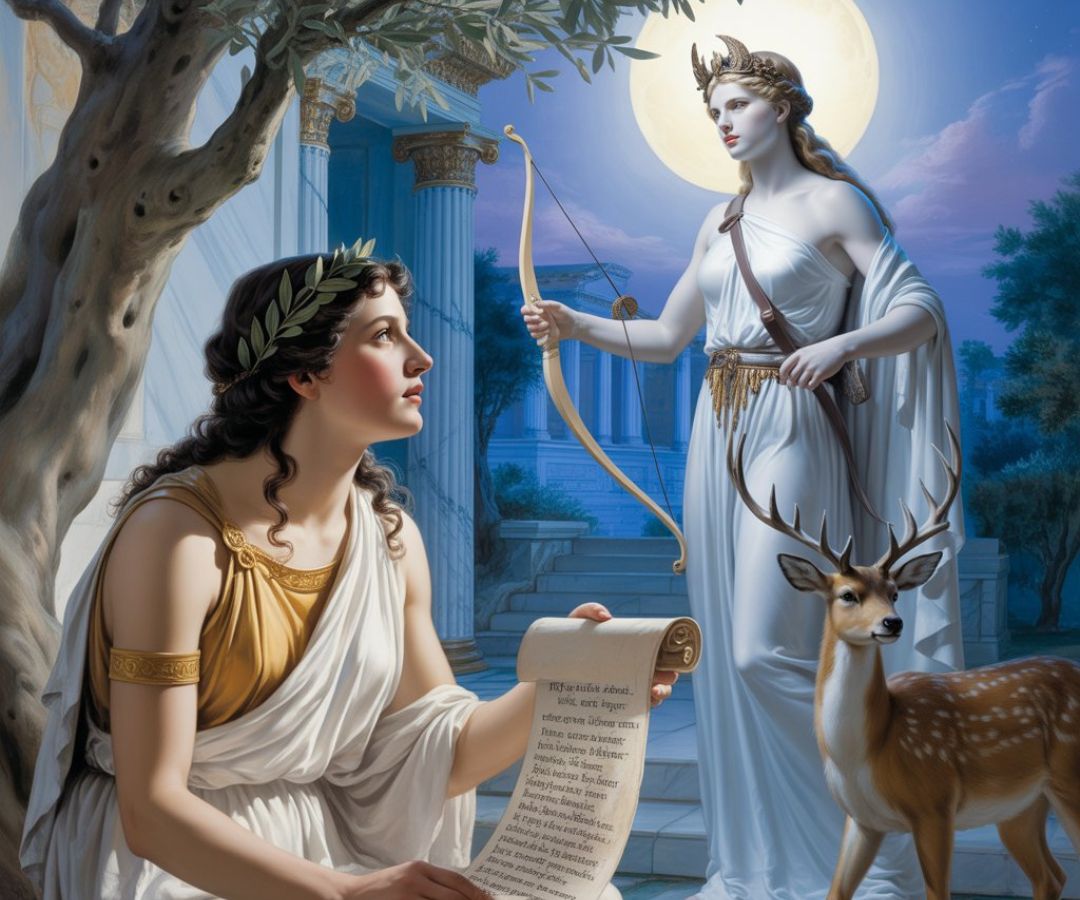
The worlds of ancient Greek poetry and mythology are filled with powerful female figures who shaped literature, religion, and culture for centuries. Two of the most fascinating names connected to this legacy are Sappho and Artemis. Although they belonged to different parts of Greek tradition, many scholars and readers often explore the symbolic relationship between Sappho and Artemis.
Sappho was one of the greatest lyric poets of ancient Greece, celebrated for her emotional poetry, beauty of language, and themes of love and femininity. Artemis, on the other hand, was the goddess of the hunt, wilderness, virginity, and independence. Together, the names “Sappho Artemis” evoke ideas of feminine power, freedom, beauty, and ancient Greek spirituality.
In this article, we will explore who Sappho and Artemis were, how they are connected in literature and symbolism, and why they continue to inspire modern audiences today.
Who Was Sappho?
Sappho was an ancient Greek lyric poet who lived around 630–570 BCE on the island of Lesbos. She is widely considered one of the greatest poets of antiquity. Her poetry focused on themes such as love, desire, friendship, beauty, emotions, and the experiences of women.
Unlike epic poets such as Homer, who wrote about wars and heroes, Sappho’s poetry was deeply personal and emotional. She often wrote in the first person and explored human feelings with remarkable sensitivity.
Key Features of Sappho’s Poetry
- Emotional depth and intimacy
- Celebration of female beauty
- Themes of love and longing
- Musical and lyrical composition
- Strong imagery inspired by nature and mythology
Although much of her work has been lost over time, surviving fragments continue to influence literature, feminism, and poetry worldwide.
Who Was Artemis?
Artemis was one of the twelve Olympian gods in Greek mythology. She was the daughter of Zeus and Leto and the twin sister of Apollo.
Artemis was known as the goddess of:
- The hunt
- Wilderness and animals
- The moon
- Young women and childbirth
- Virginity and independence
She was usually portrayed carrying a bow and arrows, often accompanied by deer or hunting dogs. Artemis represented freedom, strength, purity, and connection with nature.
Symbols of Artemis
Some common symbols associated with Artemis include:
- Crescent moon
- Bow and arrows
- Deer
- Cypress tree
- Hunting dogs
Artemis was respected and feared because she fiercely protected her independence and punished those who disrespected her.
The Symbolic Connection Between Sappho and Artemis
Although Sappho and Artemis did not belong to the same literary role, there are several symbolic and cultural links between them.
1. Celebration of Female Identity
Both Sappho and Artemis represent powerful aspects of womanhood in ancient Greek culture.
- Sappho expressed female emotions, love, and beauty through poetry.
- Artemis symbolized independence, strength, and freedom from male control.
Together, they reflect different dimensions of feminine identity in ancient Greece.
2. Nature and Beauty
Sappho frequently used images of flowers, moonlight, gardens, and natural beauty in her poems. Artemis, as the goddess of nature and wilderness, also embodied these elements.
This shared connection with nature creates a poetic bridge between the two figures.
3. Feminine Freedom
Artemis was famous for rejecting traditional expectations of marriage and domestic life. Similarly, Sappho’s poetry often centered women’s experiences and emotions rather than male heroism.
Modern readers sometimes interpret both figures as symbols of female autonomy and empowerment.
4. Moon Imagery
The moon appears frequently in Greek poetry and mythology. Artemis became associated with lunar symbolism, while Sappho used moon imagery in her verses to express beauty, longing, and emotional atmosphere.
One of Sappho’s most famous fragments references the moon and stars:
“The moon has set,
and the Pleiades; it is midnight…”
This poetic imagery connects naturally with Artemis as a moon goddess.
Sappho’s Use of Mythology
However, Greek poets commonly drew inspiration from multiple deities, including Artemis. Even when Artemis is not directly mentioned, themes connected to her—such as maidenhood, nature, and feminine strength—appear in the atmosphere of Sappho’s poetry.
Greek religion and literature were deeply intertwined. Gods were not distant figures; they were woven into everyday life, art, music, and poetry.
Artemis in Ancient Greek Culture
Artemis was one of the most widely worshipped deities in ancient Greece. Temples dedicated to her existed throughout the Greek world.
One of the most famous was the Temple of Artemis, considered one of the Seven Wonders of the Ancient World.
Roles of Artemis in Society
Artemis was especially important to:
- Young women
- Hunters
- Travelers
- Families seeking protection during childbirth
Festivals and rituals honoring Artemis often included music, dance, and offerings.
Her image represented both gentleness and danger. She protected the innocent but punished arrogance and disrespect.
Feminism and Modern Interpretations
In modern times, both Sappho and Artemis have become important cultural symbols.
Sappho as a Feminist Icon
Sappho is admired for:
- Giving voice to women’s emotions
- Writing openly about desire and beauty
- Creating literature centered on female experiences
The term “sapphic” is even used today to describe relationships or affection between women, inspired by Sappho’s legacy.
Artemis as a Symbol of Independence
Artemis is often viewed as:
- A symbol of female strength
- A representation of independence
- A protector of women and nature
Modern literature, art, and media frequently reinterpret Artemis as a strong and fearless feminine figure.
Together, “Sappho Artemis” can symbolize a blend of creativity, emotional expression, independence, and feminine power.
Influence on Literature and Art
In Poetry
Many modern poets draw inspiration from Sappho’s lyrical style and emotional honesty.
In Mythological Fiction
Artemis frequently appears in novels, fantasy stories, films, and television series inspired by Greek mythology.
In Visual Arts
Artists throughout history have painted and sculpted both Sappho and Artemis to represent beauty, wisdom, femininity, and mystery.
In Popular Culture
Modern audiences continue to rediscover these ancient figures through:
- Social media aesthetics
- Mythology-based novels
- Academic studies
- Feminist literature
- Historical dramas
Why “Sappho Artemis” Remains Popular
The phrase “Sappho Artemis” attracts interest because it combines two iconic female figures from ancient Greece. People searching for this term are often interested in:
- Greek mythology
- Ancient poetry
- Feminist symbolism
- Classical literature
- Female empowerment
- LGBTQ+ history and culture
The pairing creates a powerful image of artistry and independence.
In academic discussions, the names may appear together when exploring representations of women in ancient Greek culture.
Lessons from Sappho and Artemis
Both Sappho and Artemis continue to inspire readers because they represent timeless values.
What Sappho Teaches Us
- The importance of emotional honesty
- The beauty of poetic expression
- The value of personal voice
What Artemis Teaches Us
- Strength and independence
- Respect for nature
- Confidence and self-protection
Their stories remind us that ancient Greek culture included complex and powerful representations of women.
Conclusion
Sappho and Artemis remain two of the most influential female figures from ancient Greece. While one shaped the world through poetry and the other through mythology, both continue to symbolize feminine power, beauty, freedom, and creativity.
The idea of “Sappho Artemis” brings together art and mythology in a meaningful way. It highlights the emotional brilliance of Sappho alongside the fearless independence of Artemis.
Whether you enjoy Greek mythology, classical poetry, feminism, or ancient history, you can explore the connection between Sappho and Artemis to discover the enduring legacy of women in ancient culture.
FAQs
1. Who was Sappho?
Sappho was an ancient Greek lyric poet from Lesbos.
2. Who is Artemis?
Artemis is the Greek goddess of the hunt and moon.
3. What does Sappho Artemis mean?
It refers to the symbolic connection between Sappho and Artemis.
4. Why is Sappho famous?
She is famous for emotional and lyrical love poetry.
5. What did Artemis represent?
Artemis represented independence, nature, and strength.
6. Was Sappho connected to Greek mythology?
Yes, her poetry often included mythological themes.
7. Is Artemis an Olympian goddess?
Yes, Artemis was one of the twelve Olympian gods.
8. What themes appear in Sappho’s poetry?
Love, beauty, longing, and female emotions.
9. What symbols are linked to Artemis?
The moon, deer, bow, and arrows.
10. Why are Sappho and Artemis compared?
Both symbolize feminine power and freedom.
11. Where was Sappho born?
She was born on the Greek island of Lesbos.
12. Was Artemis the goddess of the moon?
Yes, Artemis became associated with the moon.
13. What language did Sappho write in?
She wrote in ancient Greek.
14. Is Sappho still influential today?
Yes, she inspires modern poetry and feminism.
15. Why is Sappho Artemis popular online?
People love its connection to mythology and feminine symbolism.
FOR FURTHER INFORMATION, VISIT: CONCEPTIONCORNER.COM